Maxim Chubik on Approaches to Veteran Trauma Rehabilitation in Ukraine
Author(s): Scott Douglas Jacobsen
Publication (Outlet/Website): Vocal.Media
Publication Date (yyyy/mm/dd): 2026/04
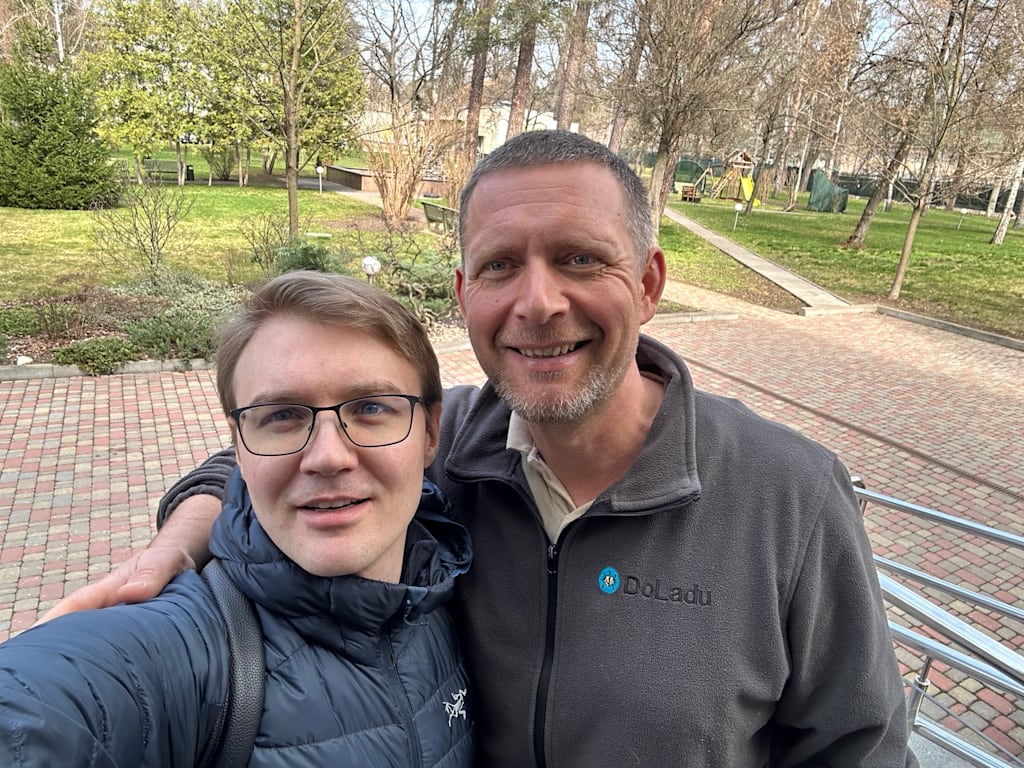
Maxim Chubik is a Ukrainian military psychologist, psychotherapist, veteran of the Armed Forces of Ukraine, and trainer-psychologist with DoLadu Camp, focused on veteran rehabilitation and psychological recovery. He is a specialist in psychodrama, group and individual psychological support, and veteran and family rehabilitation camps. He has also been identified as a veteran and psychologist with the psychological support line for military personnel and their loved ones through the nationwide #VARTOZHYTY initiative. Chubik’s work centers on trauma recovery, communication between veterans and civilians, family reintegration, and practical pathways for sustained psychological support after intensive rehabilitation programs.
In this interview, Scott Douglas Jacobsen speaks with Maxim Chubik, a Ukrainian military psychologist, trainer-psychologist with DoLadu Camp, and psychologist with the #VARTOZHYTY support line, about trauma care for veterans returning from the frontline. Chubik explains his use of psychodrama, cognitive approaches, and client-centered therapy in rehabilitation settings, emphasizing that short intensive programs can spark motivation even if they cannot fully transform a life. He outlines common challenges facing veterans, including family strain, communication barriers with civilians, depression, anxiety, aggression, and disrupted work identity. He also discusses follow-up care, peer support, and the complex self-perception of veterans who legally return as civilians but still identify as military.
Scott Douglas Jacobsen: What school of psychology do you specialize in and use here?
Maxim Chubik: My specialization is psychodrama. I am a certified psychotherapist. I have a degree in medical psychology, and I am also studying practical psychology at another university in Ukraine. I also work with cognitive therapy and client-centered therapy. I have completed additional training in these approaches. The method that has influenced me most is client-centered therapy, but I also use psychodrama and cognitive behavioral therapy in rehabilitation work with veterans.
Jacobsen: What tends to be effective for individuals with severe trauma, including complex PTSD and PTSD?
Chubik: From my experience, all the methods I mentioned can be effective in practice. Psychodrama can work well. Cognitive behavioral therapy also works well and is one of the main approaches used in trauma-focused work. I also value client-centered therapy because it focuses directly on the client and the client’s problems. There are many other methods, but I do not use them because I am not certified in them. EMDR is also considered effective, but I do not practice it myself.
Jacobsen: For those returning from the frontline, what are the most common core issues?
Chubik: It depends on the individual, but some patterns are common. Communication difficulties between veterans and civilians are frequent. Family problems are also common, especially in relationships with wives and children. Many veterans struggle with motivation around work, including whether to return to work or change careers. Some try to move away from the kind of work they did before the war. Depression is a major concern. Many also have questions about how to manage aggression. Worry and anxiety are also common. These are the main challenges I see.
Jacobsen: How much can realistically be achieved in a four-day or condensed rehabilitation period?
Chubik: At the beginning of each camp, I say that four days will not change a person’s life completely or dramatically. However, four days can be enough to create the desire to change one’s life. It is enough to build motivation. It is enough to begin the process of change.
Four days are enough to develop the desire to change something in your life. This may relate to physical activity, mental well-being, work, relationships, or other areas. Some participants can begin making changes during the program itself. However, many changes occur after the camp. After each program, we offer individual psychological consultations. Participants also have the opportunity to join peer-to-peer online support groups and other follow-up programs that we provide.
Jacobsen: What cannot be done in rehabilitation within such a short period?
Chubik: It is very difficult to help someone who does not want to receive help or support. Sometimes there are one or two participants who demonstrate strong psychological defense mechanisms. In such cases, four days may not be enough. It is more effective when I have already worked individually with someone and then recommend group therapy or peer-to-peer support. This combination tends to produce better results. If this is a person’s first experience with psychological rehabilitation, it can be challenging for them. In general, many things can be done, but we cannot help someone who does not want help.
Jacobsen: How do veterans who have survived war see themselves? What is their self-perception?
Chubik: Officially, according to legislation, they are civilians. However, many of them feel and think of themselves as military. If asked whether they are civilian or military, most will say they are military. They often see themselves as a distinct group, separate from civilians, with different values and principles. Because of this, some reduce or end relationships with friends and even family members.
Many find it difficult to communicate with civilians. This can sometimes lead to increased irritation or aggression in interactions with others. At the same time, they often view themselves as strong, but also as individuals who carry problems—some physical, some psychological. Many feel they are injured, either mentally or physically. In this sense, some may also perceive themselves as weakened because of these injuries, even while maintaining a strong identity as veterans.
Jacobsen: Thank you very much for the opportunity and your time, Max.
Last updated May 3, 2025. These terms govern all In Sight Publishing content—past, present, and future—and supersede any prior notices. In Sight Publishing by Scott Douglas Jacobsen is licensed under a Creative Commons BY‑NC‑ND 4.0; © In Sight Publishing by Scott Douglas Jacobsen 2012–Present. All trademarks, performances, databases & branding are owned by their rights holders; no use without permission. Unauthorized copying, modification, framing or public communication is prohibited. External links are not endorsed. Cookies & tracking require consent, and data processing complies with PIPEDA & GDPR; no data from children < 13 (COPPA). Content meets WCAG 2.1 AA under the Accessible Canada Act & is preserved in open archival formats with backups. Excerpts & links require full credit & hyperlink; limited quoting under fair-dealing & fair-use. All content is informational; no liability for errors or omissions: Feedback welcome, and verified errors corrected promptly. For permissions or DMCA notices, email: scott.jacobsen2025@gmail.com. Site use is governed by BC laws; content is “as‑is,” liability limited, users indemnify us; moral, performers’ & database sui generis rights reserved.

 In-Sight Publishing