Oscar Trelles on Longevity: Breathwork, Training, and Mindset for Men Over 50
Author(s): Scott Douglas Jacobsen
Publication (Outlet/Website): A Further Inquiry
Publication Date (yyyy/mm/dd): 2025/10/29
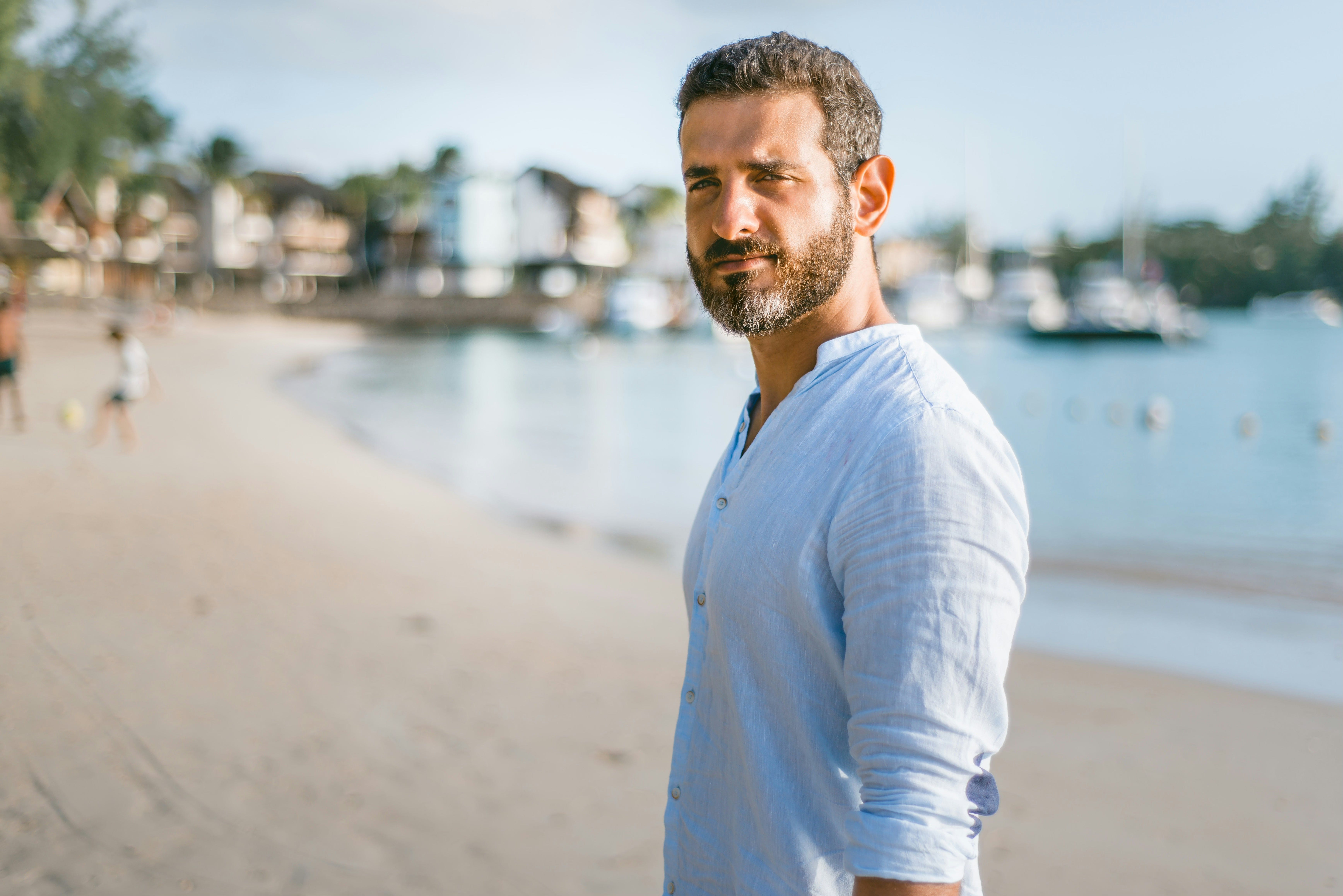
Oscar Trelles is an entrepreneur, healthspan strategist, and certified Wim Hof Method (WHM) instructor helping people extend their healthspan through natural, science-informed practices. As founder of Breathing Flame in Málaga, Spain, he integrates breathwork, functional movement, fasting, cold and heat exposure, and mindset training into a practical, systems-based approach to healthy aging and age reversal. Through the Reverse Aging Challenge and the free Reverse Aging Academy, Oscar turns complex longevity research into clear, actionable routines for everyday life—prioritizing resilience, recovery, sleep, mobility, and stress regulation. He frequently comments on sustainable habit-building, hormetic stress, and the intersection of mindset and healthspan, emphasizing results without dependency on gadgets or pharmaceuticals. Media and practitioners seek Oscar for grounded, evidence-aware insights that bridge longevity science and real-world change. For more information:
In this interview with Scott Douglas Jacobsen, Trelles emphasizes consistency over volume in training, sleep as a stress reset, and slow nasal breathing for cardiovascular health. Nutrition strategies include time-restricted eating, protein prioritization, and anti-inflammatory foods. Trelles highlights the role of mindfulness, recovery, and resilience in building sustainable, low-injury routines that extend healthspan and empower men beyond 50 to thrive.
Scott Douglas Jacobsen: How should men over 50 adjust strength, cardio, and mobility training?
Oscar Trelles: By 50, recovery speed isn’t the same, so the focus should shift from volume to consistency. Strength work should center on compound lifts at moderate loads, enough to preserve muscle and bone density without chasing personal bests, but optimizing for goals. Cardio should emphasize zones 2–3 (steady but sustainable) to build endurance and protect the heart. Mobility can’t be an afterthought: daily joint work, especially hips and shoulders, prevents the stiffness that sneaks in with age.
Jacobsen: How do sleep, breathwork, and heat–cold exposure effectively lower stress?
Trelles: Deep sleep is the body’s primary stress reset, but most men under-sleep without realizing how much it costs them. Breathwork regulates the nervous system in real time, shifting from fight-or-flight to rest-and-repair within minutes. Heat and cold add hormetic (acute but controlled and temporary) stress that teaches the body to tolerate discomfort better, so the everyday stressors feel lighter.
Jacobsen: How can breathwork protocols enhance cardiovascular health?
Trelles: Slow nasal breathing raises CO₂ tolerance, which improves oxygen delivery to tissues and reduces blood pressure. Short, controlled breath-holds condition vascular flexibility, similar to interval training but without strain. Over time, this builds efficiency: the heart works less to deliver more.
Jacobsen: Which nutrition and fasting strategies aid healthy aging?
Trelles: Time-restricted eating (e.g. 16:8) stabilizes insulin and supports cellular repair. Prioritizing protein (at least 1.6g/kg) preserves muscle, which is one of the top markers for healthy aging. For fats, choose olive oil, oily fish, and nuts; for carbs, favor slow-digesting sources tied to fiber. The key isn’t austerity, it is consistency in eating foods that don’t spike inflammation.
Jacobsen: What role do mindfulness and mindset training play in sustaining men’s wellness?
Trelles: At 50, ambition is rarely the issue. Rigidity is. Mindset work builds flexibility, helping men pivot when injuries, setbacks, or life stress inevitably show up. Mindfulness isn’t about being calm all the time; it’s about noticing stress early and choosing a response instead of reacting automatically. That choice is what sustains wellness over decades.
Jacobsen: How can men build sustainable, low-injury routines for long-term healthspan?
Trelles: Two rules: don’t max out, and don’t skip warm-ups. Train at 70–80% effort most of the time and cycle intensity so the body adapts without breaking down. Rotate through movement patterns (push, pull, hinge, squat, carry) rather than hammering the same muscles. Think durability, not records.
Jacobsen: What biomarkers and simple at-home measures best track progress in longevity?
Trelles: Grip strength, resting heart rate, HRV (heart rate variability), and waist-to-height ratio are simple but powerful. Add sleep quality and recovery for daily feedback. Check CO₂ tolerance weekly. Lab markers like fasting insulin and CRP (inflammation) round out the picture if checked yearly, but first learn to listen to your body.
Jacobsen: How does the cultural shift toward balance and recovery change men’s approach to training after 50?
Trelles: The old story was “more is better.” Now men over 50 are learning that sleep, recovery, and balance are what let them keep training long term. Ice baths, sauna, and yoga aren’t fringe anymore; they are the tools that make strength and cardio sustainable. This cultural pivot has given permission to train smarter, not just harder.
Jacobsen: Thank you for the opportunity and your time, Oscar.
Last updated May 3, 2025. These terms govern all In-Sight Publishing content—past, present, and future—and supersede any prior notices. In-Sight Publishing by Scott Douglas Jacobsen is licensed under a Creative Commons BY‑NC‑ND 4.0; © In-Sight Publishing by Scott Douglas Jacobsen 2012–Present. All trademarks, performances, databases & branding are owned by their rights holders; no use without permission. Unauthorized copying, modification, framing or public communication is prohibited. External links are not endorsed. Cookies & tracking require consent, and data processing complies with PIPEDA & GDPR; no data from children < 13 (COPPA). Content meets WCAG 2.1 AA under the Accessible Canada Act & is preserved in open archival formats with backups. Excerpts & links require full credit & hyperlink; limited quoting under fair-dealing & fair-use. All content is informational; no liability for errors or omissions: Feedback welcome, and verified errors corrected promptly. For permissions or DMCA notices, email: scott.jacobsen2025@gmail.com. Site use is governed by BC laws; content is “as‑is,” liability limited, users indemnify us; moral, performers’ & database sui generis rights reserved.


