Natalia Yepifanova and Natalia Kravtsova: Ukrainian POWs, Azov Captives, and Families of the Missing
Author(s): Scott Douglas Jacobsen
Publication (Outlet/Website): Vocal.Media
Publication Date (yyyy/mm/dd): 2026/05/21
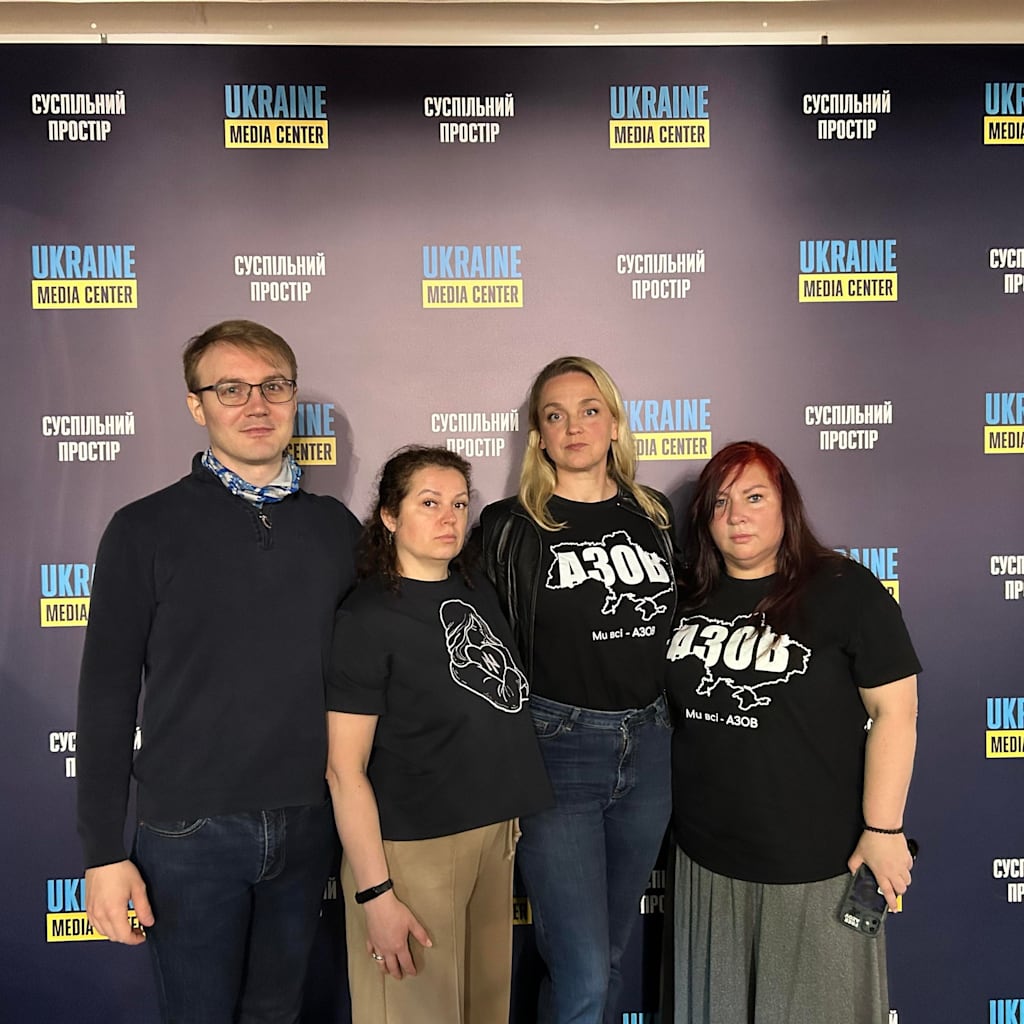
Natalia Kravtsova is a Ukrainian civil advocate and the mother of a captured Azov fighter who defended Mariupol. Through the NGO “WOMEN OF STEEL,” she advocates for prisoners of war, missing defenders, and their families. Her public work emphasizes humanitarian exchanges, public awareness, and sustained international pressure regarding Ukrainian captives held by Russia. Media Center Ukraine identifies her as the mother of a captured Azov fighter and defender of Mariupol, and earlier identified her with the “WOMEN OF STEEL” Council of Wives and Mothers of Ukraine’s Defenders NGO.
Natalia Yepifanova is the head of the Ukrainian NGO “Voyatskyi Vyzvil” (“Warrior Liberation”), an organization that advocates for the return of Ukrainian prisoners of war and defends the rights of captured servicemen. She has publicly addressed systemic barriers to exchanges, the Olenivka prison attack, and international mechanisms for securing prisoners’ release. Media Center Ukraine identifies her as head of the NGO “Voyatskyi Vyzvil.”
Scott Douglas Jacobsen interviews Natalia Yepifanova and Natalia Kravtsova about Ukrainian prisoners of war, Azov captives, missing defenders, family trauma, legal barriers, rehabilitation, Red Cross communication failures, universal jurisdiction, and international pressure on Russia. The discussion centers on accountability, humanitarian exchanges, psychological support, and the anguish of wartime uncertain loss.
Scott Douglas Jacobsen: What about rehabilitation and reintegration for those who are alive and return home?
Natalia Yepifanova: The unit’s support system is well established. International pressure is needed because some countries, world leaders, businesspeople, and intermediaries may influence Russia or have access to people trusted by Vladimir Putin. This is a humanitarian issue.
Jacobsen: So, what about the legal and financial hurdles for everyone involved? Is this a systemic issue?
Yepifanova: The legal problems stem from bureaucracy. The bureaucracy remains difficult, and those who return from captivity often struggle to navigate it, especially when they lack documents or official confirmation of their status. Free legal assistance is available, including through public organizations.
Russia’s treatment of Ukrainian prisoners of war raises serious concerns under international humanitarian law. [Ed. OHCHR documented widespread and systematic torture, ill-treatment, and inhumane conditions of Ukrainian POWs held by Russian authorities. The UN Commission of Inquiry on Ukraine concluded torture by Russian authorities amounts to a crime against humanity.]
Natalia Kravtsova: Yes, when national courts fail to provide accountability, universal jurisdiction can be used by other states to investigate and prosecute war crimes, crimes against humanity, genocide, and related international crimes. Such proceedings can create legal and political pressure on perpetrators and state officials.
Jacobsen: How many of these defenders are currently unaccounted for? What emotions do families and loved ones describe as they wait for the return of their sons, whether alive or deceased?
Kravtsova: I asked myself how many people there are. I found figures, about 9,200 in one source, and it was said that there were more than 10,000, plus or minus. It seems those numbers were not inaccurate.
We face a situation where there are both deceased and missing individuals under very difficult circumstances. Russia does not provide full or reliable information about the deceased. It does not consistently confirm deaths or share information through mechanisms such as the International Committee of the Red Cross.
In some cases, when remains are returned, there is evidence suggesting the identity of Ukrainian military personnel, but Russia does not officially confirm this information.
This means we cannot account for all Ukrainians held in Russia. That is the first issue. The second is that many detainees have little or no communication with the outside world. Even those registered through the Red Cross often have no real contact with their families.
Only a small number of people receive letters, sometimes once a year, or even once every few years. Occasionally, a message may be delivered through the Red Cross, but this is rare. Many families wait for any sign of life, and this uncertainty is extremely difficult. People become ill from the stress. Many are on antidepressants.
Some relatives say they believe they have seen their loved ones in videos or reports, even without confirmation. They continue to hope that they are alive, perhaps wounded, but still living.
Jacobsen: Many civilians are experiencing mental health difficulties due to the war. Many veterans face similar or even more severe challenges. For families, how do these mental health struggles manifest?
Across countries, whether in Canada, Ukraine, or elsewhere, veterans can suffer from substance misuse as a coping mechanism, and, sadly, some die by suicide. Do parents and loved ones experience similar risks, including suicidal thoughts or actions? I am trying to understand populations that are less discussed, but also suffer within these narratives.
Yepifanova: Many researchers and specialists in psychology and psychiatry, including Ukrainian psychologists, note that Ukrainian soldiers do experience mental health disorders, including post-traumatic stress disorder.
At the same time, some emphasize that Ukrainian soldiers are in a defensive position, they are protecting their families and their state. This can influence how they psychologically process their actions, although it does not eliminate trauma.
Comparisons are sometimes made with other conflicts, such as the Vietnam War, but each context is different, and it is difficult to generalize.
Many people are experiencing mental health difficulties, but it is especially hard for families who do not know where their relatives are.
As a public organization, we provide psychological support services. We work with psychologists both individually and in group settings. We have support groups operating online and offline. Through this work, we see that it is possible to help relatives cope with these challenges and improve their psychological well-being.
There are many volunteers. People feel that it is their duty to their families and to the state. Psychologically, it matters to understand that one’s relative is a hero, a defender. We have no other choice. The aggressor, Russia, comes and commits violence, including killing and other serious abuses.
We know our history well. There are historical examples, including earlier periods of destruction in Ukrainian lands, that shape our understanding of what happens if we do not resist.
We Ukrainians understand that if we do not defend ourselves, the consequences will be severe for all of us. For relatives, yes, it is frightening to worry about loved ones. I myself waited for my nephew.
At the same time, there is an awareness that my relative is a hero, a defender. There is no alternative. I am alive, and my children are alive, because they fought for us.
Jacobsen: Thank you very much for the opportunity and your time, Natalia and Natalia.
–
Ukrainian Translation
Як Наталія Єпіфанова та Наталія Кравцова пояснюють кризу військовополонених в Україні, зниклих безвісти захисників, сімейні травми та необхідність міжнародного тиску на Росію?
Наталія Кравцова — українська громадська захисниця та мати полоненого бійця «Азова», який захищав Маріуполь. Через громадську організацію «ЖІНКИ ЗІ СТАЛІ» вона захищає військовополонених, зниклих безвісти захисниць та їхні родини. Її громадська діяльність зосереджується на гуманітарних обмінах, обізнаності громадськості та постійному міжнародному тиску щодо українських полонених, яких утримує Росія. «Медіацентр Україна» ідентифікує її як матір полоненого бійця «Азова» та захисниці Маріуполя, а раніше ототожнював її з громадською організацією «ЖІНКИ ЗІ СТАЛІ» — Радою дружин та матерів захисників України.
Наталія Єпіфанова — голова української громадської організації «Вояцький визволення» («Воїнове визволення»), яка виступає за повернення українських військовополонених та захищає права полонених військовослужбовців. Вона публічно зверталася до системних перешкод для обміну, нападу на в’язницю в Оленівці та міжнародних механізмів забезпечення звільнення полонених. Медіацентр України ідентифікує її як голову громадської організації «Вояцький визволення».
Скотт Дуглас Якобсен бере інтерв’ю у Наталії Єпіфанової та Наталії Кравцової про українських військовополонених, полонених Азову, зниклих безвісти захисників, сімейні травми, правові бар’єри, реабілітацію, збої у комунікації Червоного Хреста, універсальну юрисдикцію та міжнародний тиск на Росію. Дискусія зосереджена на підзвітності, гуманітарному обміні, психологічній підтримці та стражданнях від невизначених втрат у воєнний час.
Скотт Дуглас Якобсен: А як щодо реабілітації та реінтеграції тих, хто живий і повертається додому?
Наталія Єпіфанова: Система підтримки підрозділу добре налагоджена. Міжнародний тиск необхідний, оскільки деякі країни, світові лідери, бізнесмени та посередники можуть впливати на Росію або мати доступ до людей, яким довіряє Володимир Путін. Це гуманітарне питання.
Якобсен: Тож як щодо правових та фінансових перешкод для всіх причетних? Чи є це системним питанням?
Єпіфанова: Правові проблеми виникають через бюрократію. Бюрократія залишається складною, і тим, хто повертається з полону, часто важко в ній зорієнтуватися, особливо коли у них немає документів або офіційного підтвердження їхнього статусу. Безкоштовна правова допомога доступна, зокрема через громадські організації.
Поводження Росії з українськими військовополоненими викликає серйозне занепокоєння згідно з міжнародним гуманітарним правом. [Ред. УВКПЛ задокументувало широкомасштабні та систематичні тортури, жорстоке поводження та нелюдські умови утримання українських військовополонених, яких утримувала російська влада. Комісія ООН з розслідування щодо України дійшла висновку, що тортури, вчинені російською владою, є злочином проти людяності.]
Наталія Кравцова: Так, коли національні суди не забезпечують належної відповідальності, універсальна юрисдикція може бути застосована іншими державами для розслідування та переслідування воєнних злочинів, злочинів проти людяності, геноциду та пов’язаних міжнародних злочинів. Такі провадження можуть створювати правовий і політичний тиск на винних осіб і державних посадовців.
Якобсен: Скільки з цих захисників наразі вважаються зниклими безвісти? Які емоції описують родини та близькі, очікуючи повернення своїх синів — живими чи загиблими?
Кравцова: Я сама ставила собі питання, скільки це людей. Я знайшла цифри — близько 9 200 в одному джерелі, і зазначалося, що їх понад 10 000, плюс-мінус. Здається, ці числа не є неточними.
Ми маємо ситуацію, коли є як загиблі, так і зниклі безвісти за дуже складних обставин. Росія не надає повної або достовірної інформації про загиблих. Вона не підтверджує системно факти смерті і не передає інформацію через такі механізми, як Міжнародний комітет Червоного Хреста.
У деяких випадках, коли тіла повертаються, є докази, що це українські військовослужбовці, але Росія офіційно цього не підтверджує.
Це означає, що ми не можемо повністю встановити облік усіх українців, які утримуються в Росії. Це перша проблема. Друга полягає в тому, що багато утримуваних мають мінімальний або взагалі відсутній зв’язок із зовнішнім світом. Навіть ті, хто зареєстровані через Червоний Хрест, часто не мають реального контакту зі своїми родинами.
Лише невелика кількість людей отримує листи — іноді раз на рік або навіть раз на кілька років. Іноді повідомлення може бути передано через Червоний Хрест, але це трапляється рідко. Багато родин чекають будь-якого знаку життя, і ця невизначеність є надзвичайно важкою. Люди хворіють від стресу. Багато хто приймає антидепресанти.
Деякі родичі кажуть, що вірять, що бачили своїх близьких у відео чи репортажах, навіть без підтвердження. Вони продовжують сподіватися, що ті живі — можливо поранені, але живі.
Якобсен: Багато цивільних переживають труднощі з психічним здоров’ям через війну. Багато ветеранів стикаються з подібними або навіть серйознішими викликами. Як ці психологічні труднощі проявляються у родин?
У різних країнах — чи то в Канаді, чи в Україні, чи деінде — ветерани можуть вдаватися до зловживання психоактивними речовинами як способу подолання травми, і, на жаль, деякі вчиняють самогубство. Чи стикаються батьки та близькі з подібними ризиками, включно із суїцидальними думками чи діями? Я намагаюся зрозуміти менш обговорювані групи, які також страждають у цих наративах.
Єпіфанова: Багато дослідників і фахівців у галузі психології та психіатрії, включно з українськими психологами, зазначають, що українські військові справді зазнають психічних розладів, зокрема посттравматичного стресового розладу.
Водночас деякі підкреслюють, що українські військові перебувають у позиції захисту — вони захищають свої родини та свою державу. Це може впливати на те, як вони психологічно осмислюють свої дії, хоча це не усуває травму.
Іноді проводяться порівняння з іншими конфліктами, такими як війна у В’єтнамі, але кожен контекст є різним, і узагальнювати складно.
Багато людей переживають труднощі з психічним здоров’ям, але особливо важко родинам, які не знають, де перебувають їхні близькі.
Як громадська організація, ми надаємо послуги психологічної підтримки. Ми працюємо з психологами як індивідуально, так і в групових форматах. У нас діють групи підтримки онлайн і офлайн. Завдяки цій роботі ми бачимо, що можливо допомогти родичам впоратися з цими викликами та покращити їхній психологічний стан.
Є багато волонтерів. Люди відчувають, що це їхній обов’язок перед родинами та державою. З психологічної точки зору важливо усвідомлювати, що твій родич — герой, захисник. У нас немає іншого вибору. Агресор, Росія, приходить і чинить насильство, включно з убивствами та іншими серйозними зловживаннями.
Ми добре знаємо свою історію. Є історичні приклади, включно з попередніми періодами руйнувань на українських землях, які формують наше розуміння того, що станеться, якщо ми не будемо чинити опір.
Ми, українці, розуміємо, що якщо не захищатимемося, наслідки будуть тяжкими для всіх нас. Для родичів, безумовно, страшно хвилюватися за своїх близьких. Я сама чекала на свого племінника.
Водночас є усвідомлення, що мій родич — герой, захисник. Альтернативи немає. Я жива, і мої діти живі, тому що вони боролися за нас.
Якобсен: Дуже дякую за можливість і ваш час, Наталіє та Наталіє.
Last updated May 3, 2025. These terms govern all In Sight Publishing content—past, present, and future—and supersede any prior notices. In Sight Publishing by Scott Douglas Jacobsen is licensed under a Creative Commons BY‑NC‑ND 4.0; © In Sight Publishing by Scott Douglas Jacobsen 2012–Present. All trademarks, performances, databases & branding are owned by their rights holders; no use without permission. Unauthorized copying, modification, framing or public communication is prohibited. External links are not endorsed. Cookies & tracking require consent, and data processing complies with PIPEDA & GDPR; no data from children < 13 (COPPA). Content meets WCAG 2.1 AA under the Accessible Canada Act & is preserved in open archival formats with backups. Excerpts & links require full credit & hyperlink; limited quoting under fair-dealing & fair-use. All content is informational; no liability for errors or omissions: Feedback welcome, and verified errors corrected promptly. For permissions or DMCA notices, email: scott.jacobsen2025@gmail.com. Site use is governed by BC laws; content is “as‑is,” liability limited, users indemnify us; moral, performers’ & database sui generis rights reserved.

 In-Sight Publishing