Elyse Winer on Recycled Leather, Luxcycling, and the Future of Sustainable Men’s Fashion
Author(s): Scott Douglas Jacobsen
Publication (Outlet/Website): A Further Inquiry
Publication Date (yyyy/mm/dd): 2025/10/12
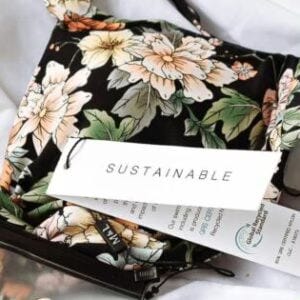
Elyse Winer, Chief Marketing Officer and General Manager of Consumer at Gen Phoenix; Winer highlights how recycled leather challenges traditional men’s fashion by combining durability, luxury, and sustainability without compromise. She notes that most vegan leathers are plastic-based and non-recyclable, while traditional leather has environmental drawbacks. Gen Phoenix offers a third path with recycled leather, lowering carbon impact by 80% and reducing waste. Winer emphasizes the importance of collaborations, like with Dr. Martens, to shift perceptions by proving sustainability can enhance performance. She introduces “luxcycling,” extending product lifespans while honoring craftsmanship, and stresses consumer demand as the driving force for industry-wide adoption.
Scott Douglas Jacobsen: How does recycled leather challenge traditional men’s fashion?
Elyse Winer: Recycled leather is rewriting the rules of men’s fashion by exposing a blind spot: the idea that “vegan” always equals “sustainable.” Most vegan leathers are really plastic in disguise—polyurethane and PVC that can’t be recycled at end-of-life. On the other side, traditional leather is durable but comes with its own environmental challenges.
Gen Phoenix represents a third path. Our recycled leather gives you the strength, feel, and longevity of traditional leather with an 80% lowered carbon footprint. It’s also engineered on a roll, not a hide, which flips the old system of cutting and waste on its head. That means manufacturers get consistency and control, while customers get luxury quality with a far smaller footprint. The myth has always been that you can’t have sustainability, durability, beauty and affordability at once. We’re proving you can. This challenges the industry’s assumption that sustainability requires compromising on either quality or price.
Jacobsen: What role do collaborations play in shifting consumer attitudes?
Winer: Collaboration is the spark that changes perception. When brands and material innovators work shoulder-to-shoulder, not just trading product samples but truly co-developing, we can create proof points the consumer can’t ignore.
Take Dr. Martens. Throughout the brand’s history, breaking in a pair of boots was practically a rite of passage. With our recycled leather, we solved that pain point and made the boots more sustainable. That’s the magic – when sustainability delivers a better product experience. Suddenly, consumers aren’t being asked to “make the sustainable choice” – they’re buying the better boot that just happens to be sustainable. That’s how attitudes shift: by showing people they don’t have to compromise.
Jacobsen: How can men’s fashion brands balance durability and sustainability?
Winer: By treating sustainability as an upgrade, not a downgrade. The old narrative says “eco” means delicate, expensive, or compromised. In reality, recycled and next-gen materials can outperform the originals. But it only works if brands put these materials through the same rigorous testing they would anything else, then communicate those results with confidence.
Beyond materials, men’s fashion can double down on services like take-back and repair programs. That turns sustainability into a premium experience – durability plus responsibility – something men’s fashion is uniquely positioned to deliver. This isn’t just about individual garments – it’s about creating a complete ecosystem around the product.
Jacobsen: What are the main misconceptions consumers have about recycled materials?
Winer: The first misconception: recycled means second-rate. In truth, the best recycled materials are nextgen materials that can raise the bar. The second: recycled limits style. The reality? Designers now have as much freedom to create beautiful, luxurious pieces with recycled content.
The breakthrough happens when consumers touch, wear, and live in these materials. Once they realize they’re getting superior products that also reduce impact, the narrative flips. It’s not “sustainable but acceptable.” It’s “better andsustainable.” And that’s what today’s younger consumers are demanding: no compromises and no green premium.
Jacobsen: How does “luxcycling” differ from traditional upcycling?
Winer: Gen Phoenix coined the term ‘luxcycling’ to give vocabulary to the ways brands are using innovative materials and proprietary manufacturing processes to extend the lifespan of fashion and accessories products. We view luxcycling as the next frontier in material innovation, where the focus is not just on creating new products, but on honoring the heritage, craftsmanship, and quality standards luxury brands (and their customers ) demand – all while reducing waste and environmental impact.
Jacobsen: What opportunities exist for men’s fashion to lead on sustainable adoption?
Winer: Men’s fashion is uniquely positioned to drive sustainable adoption because the category’s core values—durability, functionality, and longevity—align perfectly with sustainable principles. Men are increasingly asking how their products are made and what kind of impact they have, but they won’t compromise on performance or pay premium prices. This creates a massive opportunity for brands that can deliver sustainability as an upgrade, not a trade-off.
Heritage brands, with decades of credibility in quality, are perfectly positioned to make the leap. And categories like workwear or footwear, where performance is non-negotiable, show how sustainable materials can actually raise the bar. The Gen Phoenix and Dr. Martens collaboration is a great example: sustainability enhanced the product experience. That’s where men’s fashion can lead the charge.When sustainability enhances rather than compromises the user experience, it becomes a competitive advantage that can transform the entire industry.
Jacobsen: How can consumer demand influence wider adoption of recycled materials?
Winer: Consumer demand is turning sustainability from a ‘nice-to-have’ to a non-negotiable, creating a ripple effect throughout the supply chain. Gen-Z consumers are asking better questions: not just is it sustainable? but “show me the proof.”
And they’re value-driven – they won’t overpay for it. That pressure forces retailers and manufacturers to rethink sourcing strategies.
At Gen Phoenix, we see this as the moment to prove circular materials aren’t just possible, they’re profitable. If we can deliver products that exceed expectations on performance, quality, and cost, and just happen to be made from recycled content, consumer demand will accelerate adoption across the entire industry.
Jacobsen: What innovations in materials shape the next era of sustainable men’s fashion?
Winer: We see a future where waste becomes the starting point for the world’s best products, not because consumers feel guilty, but because these products deliver a superior story and value. The next era isn’t about “green capsule collections” or pilots. It’s about embedding sustainable materials into the core of menswear at scale, with full traceability and transparency. When waste becomes the starting point for luxury, durability, and performance, and when that’s commercially viable, you don’t just change fashion. You change the system.
Jacobsen: Thank you for the opportunity and your time, Elyse.
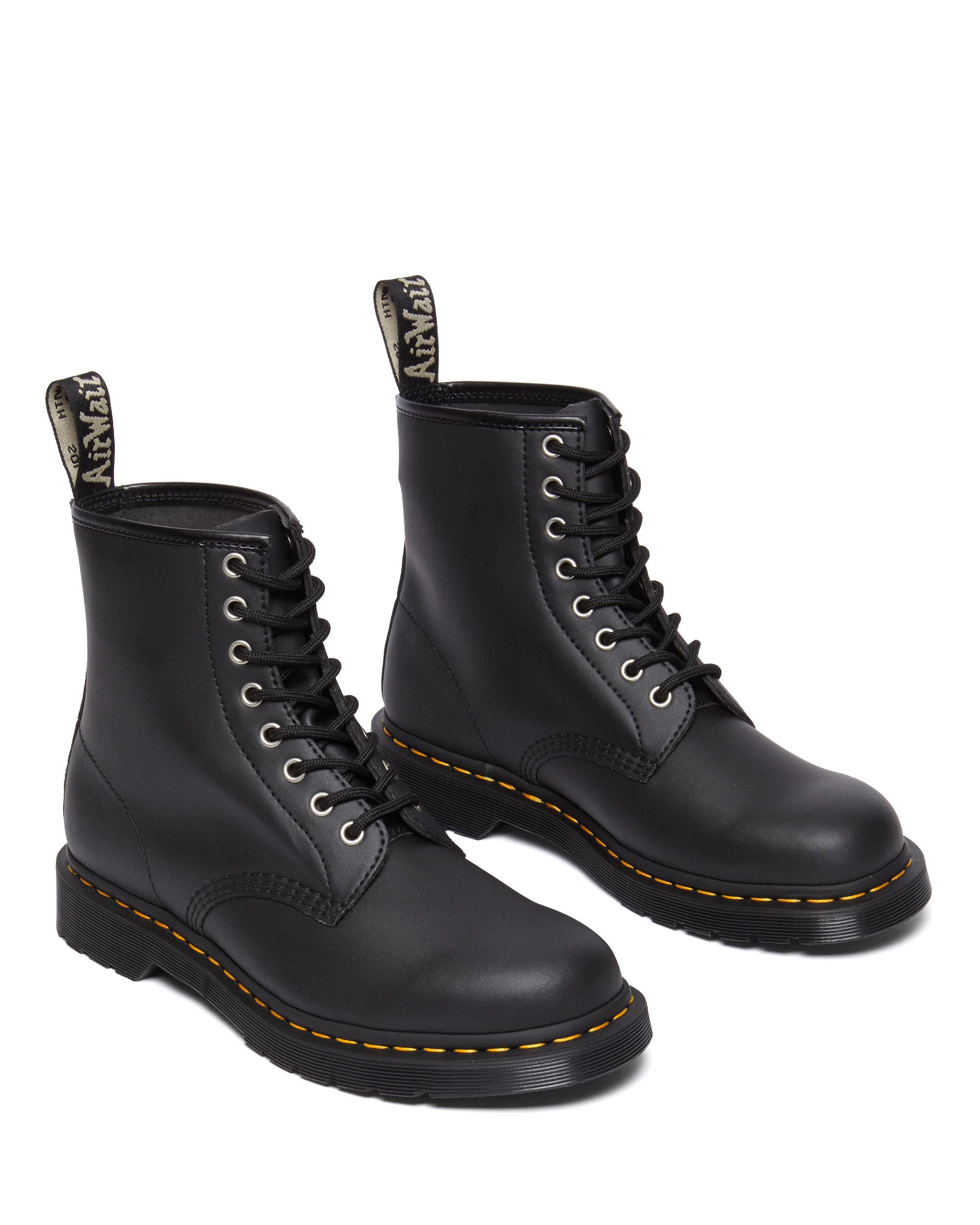
Image credit: Jack Connors.
—
More info:
Last updated May 3, 2025. These terms govern all In-Sight Publishing content—past, present, and future—and supersede any prior notices. In-Sight Publishing by Scott Douglas Jacobsen is licensed under a Creative Commons BY‑NC‑ND 4.0; © In-Sight Publishing by Scott Douglas Jacobsen 2012–Present. All trademarks, performances, databases & branding are owned by their rights holders; no use without permission. Unauthorized copying, modification, framing or public communication is prohibited. External links are not endorsed. Cookies & tracking require consent, and data processing complies with PIPEDA & GDPR; no data from children < 13 (COPPA). Content meets WCAG 2.1 AA under the Accessible Canada Act & is preserved in open archival formats with backups. Excerpts & links require full credit & hyperlink; limited quoting under fair-dealing & fair-use. All content is informational; no liability for errors or omissions: Feedback welcome, and verified errors corrected promptly. For permissions or DMCA notices, email: scott.jacobsen2025@gmail.com. Site use is governed by BC laws; content is “as‑is,” liability limited, users indemnify us; moral, performers’ & database sui generis rights reserved.


