Daniel Vasilevski on AI Security, Privacy Challenges, and the Future of Smart Home Protection
Author(s): Scott Douglas Jacobsen
Publication (Outlet/Website): A Further Inquiry
Publication Date (yyyy/mm/dd): 2025/10/17
Daniel Vasilevski is the Director of Pro Electrical Sydney, bringing over 14 years of expertise in residential and commercial electrical systems. Known for his hands-on leadership, he fosters collaboration while ensuring projects align with the company’s values of quality and customer satisfaction. With a strong interest in emerging technologies, Daniel provides insights into the ethical and practical challenges of AI-driven security. He is committed to delivering safe, innovative, and reliable solutions for his clients across New South Wales.
Scott Douglas Jacobsen: Daniel, thank you for joining us. Could you start by telling us about your background and the work you do at Pro Electrical Sydney?
Daniel Vasilevski: My name is Daniel Vasilevski, and I’m the Director of Pro Electrical Sydney. I work in electrical systems for residential and commercial properties and have a good perspective on the direction AI is taking security.
Jacobsen: Artificial intelligence has been rapidly reshaping many industries. How do you see AI influencing the future of home and business security?
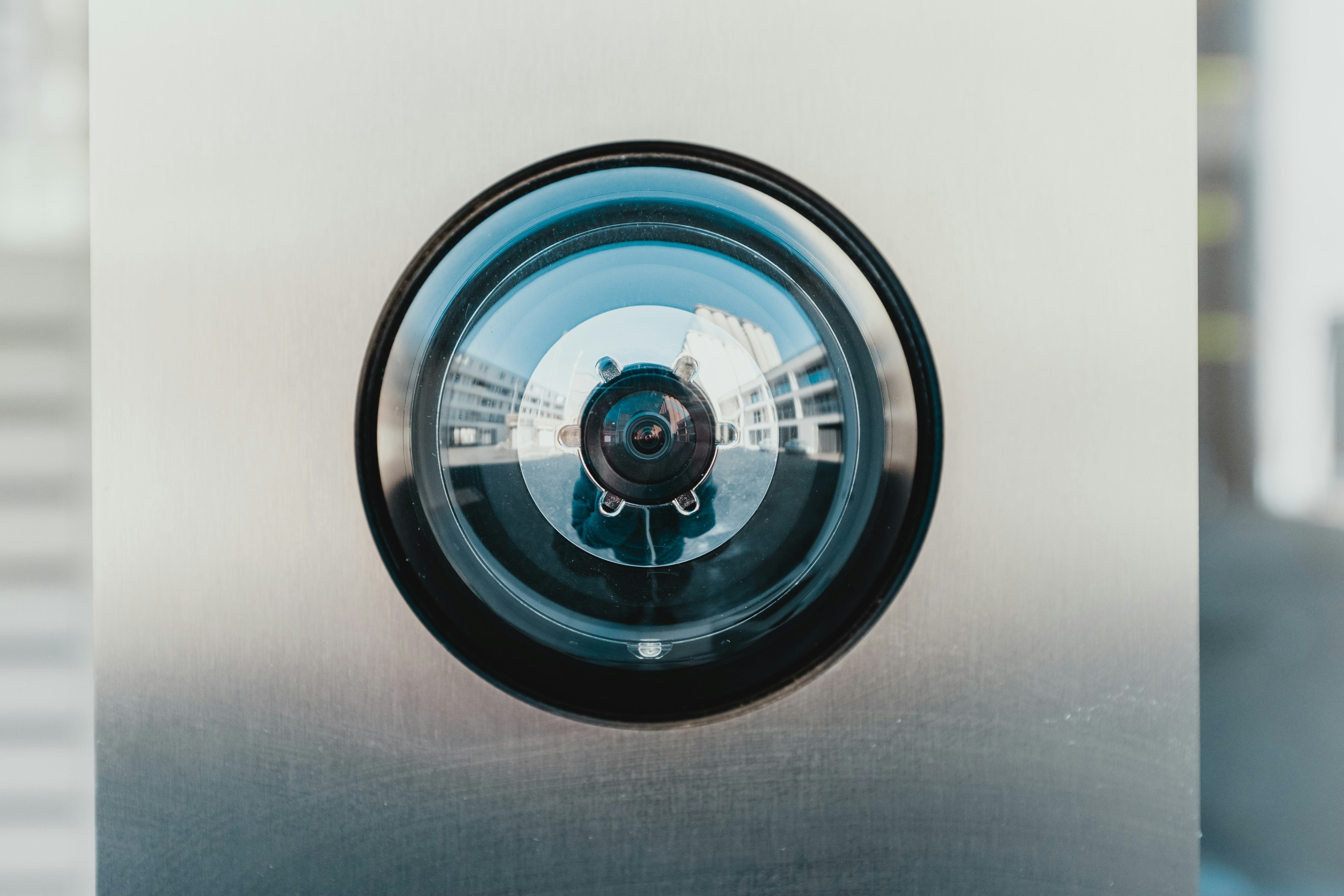
Matthews: Artificial intelligence is quickly changing the landscape of home security through smart doorbells, cameras for surveillance, and motion detector lights. Among their capabilities, these facial recognition-powered, machine-learned systems can recognize known individuals’ faces, monitor activity that is out of the ordinary, and learn homeowner habits. Smart cameras are able to tell a family member from a stranger, adding security and convenience.
Jacobsen: With those advantages in mind, what do you think are the major ethical and privacy concerns consumers should be aware of?
Matthews: This poses important ethical and privacy issues. Constant monitoring and/or collection of data, such as videos and facial identification, threaten individual privacy. This brings concerns of abuse, where the data can be retrieved or abused for non-security purposes like profiling or unwanted tracking.
Jacobsen: Are current laws and regulations sufficient to protect consumers from these risks?
Matthews: Existing regulations regarding AI security systems do not cover these new and unexpected challenges. Consumers are not currently protected under existing laws from the risk of data breaches, over-surveillance, or discriminatory algorithms that misidentify individuals from certain more heavily policed communities, such as minority groups.
Jacobsen: Given these challenges, what should consumers look for when choosing a smart security system?
Matthews: Consumer beware when choosing smart security systems. You also want to be sure that the company is concerned with data security, has clear privacy policies, and explains how data is used. Consumers must ensure that facial recognition technology is deployed ethically, reasonably, and without the opportunity for abuse. As the technology advances, so should the rules and regulations in order to further safeguard privacy and consumer protections.
Jacobsen: Thank you for the opportunity and your time, Daniel.
Last updated May 3, 2025. These terms govern all In-Sight Publishing content—past, present, and future—and supersede any prior notices. In-Sight Publishing by Scott Douglas Jacobsen is licensed under a Creative Commons BY‑NC‑ND 4.0; © In-Sight Publishing by Scott Douglas Jacobsen 2012–Present. All trademarks, performances, databases & branding are owned by their rights holders; no use without permission. Unauthorized copying, modification, framing or public communication is prohibited. External links are not endorsed. Cookies & tracking require consent, and data processing complies with PIPEDA & GDPR; no data from children < 13 (COPPA). Content meets WCAG 2.1 AA under the Accessible Canada Act & is preserved in open archival formats with backups. Excerpts & links require full credit & hyperlink; limited quoting under fair-dealing & fair-use. All content is informational; no liability for errors or omissions: Feedback welcome, and verified errors corrected promptly. For permissions or DMCA notices, email: scott.jacobsen2025@gmail.com. Site use is governed by BC laws; content is “as‑is,” liability limited, users indemnify us; moral, performers’ & database sui generis rights reserved.

 In-Sight Publishing