Mindful Macramé with Isabella Strambio: Eco-Friendly Living and Creative Holiday Traditions
Author(s): Scott Douglas Jacobsen
Publication (Outlet/Website): A Further Inquiry
Publication Date (yyyy/mm/dd): 2025/10/22
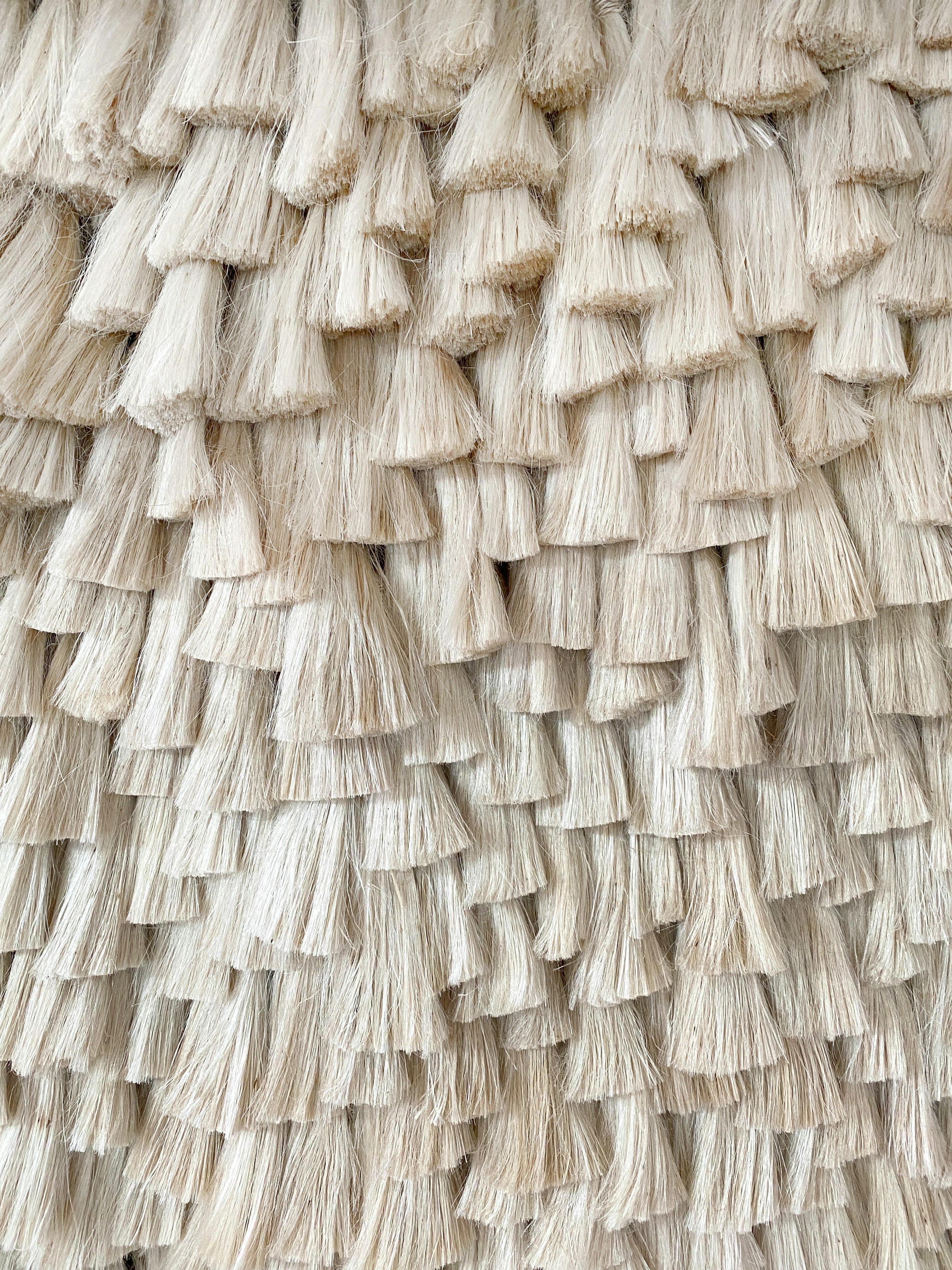
Isabella Strambio is a macramé artist, teacher, and author known for blending traditional craft with mindful living. Born in Italy and now based in the UK, she left a career in interior design to pursue her passion for fiber art, sustainability, and creativity. Her latest book, Mindful Macramé (Search Press), invites readers to slow down through 20 contemporary projects paired with calming prompts and breathing exercises. Dedicated to accessible, eco-conscious craft, Isabella teaches workshops, online courses, and retreats, inspiring people worldwide to reconnect with themselves and nature through the meditative practice of knotting.
In this interview with Scott Douglas Jacobsen, macramé artist, teacher, and author Isabella Strambio shares her vision for sustainable, mindful living through creativity. From eco-conscious gift ideas and furoshiki-inspired wrapping to natural holiday décor and energy-saving tips, Strambio emphasizes intention, connection, and joy. Her latest book, Mindful Macramé (Search Press), combines contemporary fiber art projects with calming prompts, inviting readers to slow down and reconnect with nature. Strambio highlights the role of reusing, recycling, and upcycling in crafting traditions that last, encouraging families to celebrate meaningfully while reducing waste and fostering deeper connections with loved ones and the planet.
Scott Douglas Jacobsen: What are some creative, low-waste gift ideas?
Isabella Strambio: I always say the best gifts are the ones made or chosen with intention. Handmade items like small macramé ornaments, reusable cotton produce bags, or naturally dyed textiles make wonderful, low-waste gifts. You can also offer experiences instead of things: a creative workshop, a homemade dinner, or even a “day together” voucher. For me, low-waste gifting is really about thoughtfulness: choosing something that will last and bring joy without adding clutter or waste.
Jacobsen: How can people approach wrapping gifts in eco-friendly ways?
Strambio: Gift wrapping is such a fun place to get creative and reduce waste! I love using fabric wraps inspired by the Japanese furoshiki tradition, they’re reusable and look beautiful. You can also repurpose kraft paper, old maps, or even children’s drawings as wrapping paper. Add a touch of nature, a sprig of rosemary or eucalyptus, or a dried orange slice, instead of plastic ribbons. It feels much more personal and sustainable.
Jacobsen: What sustainable home decorating tips are good for the holiday season?
Strambio: Nature is the best decorator! I like to use foraged branches, pinecones, and dried flowers to create wreaths and table centrepieces. Incorporate natural fibres like cotton, linen, or jute for a soft, earthy look. A handmade macramé garland or wall hanging can replace plastic tinsel and add warmth to your space year after year. I also recommend decorating slowly like adding one or two meaningful pieces each season, instead of buying new decorations every year.
Jacobsen: Are there simple, eco-conscious cleaning alternatives for gatherings?
Strambio: Definitely! I use natural cleaners like white vinegar, baking soda, and essential oils when possible. They’re simple, effective, and kind to both your home and the planet. You can also switch to reusable cleaning cloths or old cotton towels instead of paper. And if you’re hosting, encourage guests to help with washing up instead of using disposable plates or cutlery, it turns cleaning into a shared moment rather than a chore!
Jacobsen: Which energy-saving practices are impactful during holiday celebrations?
Strambio: Lighting is a big one. Switching to LED fairy lights or solar-powered ones can make a big difference. Candles (especially soy or beeswax) create a beautiful, mindful atmosphere and reduce electricity use specially since we moved to Sweden. We light candles throughout winter and it’s so beautiful, especially in the morning while the sun rises! . Try cooking multiple dishes in the oven at once, and remember to turn down the heating slightly when you have guests, all those extra bodies and the oven will naturally warm the space!
Jacobsen: How can families embrace mindful consumption?
Strambio: I think it starts with honest conversations about what really matters. Instead of focusing on quantity, try creating rituals around experiences: decorating together, making gifts, or cooking as a family. You can also introduce a “one meaningful gift” tradition, where everyone gives something handmade, second-hand, or experience-based. Mindful consumption is about reconnecting with the joy behind giving, not the volume of what we buy.
Jacobsen: What role can the traditional rules of reuse, recycling, or upcycling play?
Strambio: They’re more relevant than ever, but I think we can see them through a more creative lens. Reuse doesn’t just mean “don’t throw it away”, it’s an invitation to reimagine. Old jars can become candle holders, fabric scraps can turn into ornaments or ribbons, and leftover macramé cords can be transformed into keychains or napkin rings. When we upcycle, we give new life to what we already have and that’s a very mindful, fulfilling process.
Jacobsen: How will holiday practices evolve as sustainability becomes more central to consumer values?
Strambio: I believe we’ll see a shift toward simpler, slower, more meaningful celebrations. People are already craving authenticity, decorations with a story, gifts that last, experiences that connect. Sustainability isn’t just about doing less harm anymore; it’s about creating more joy and connection through conscious choices. The holidays are the perfect time to live that intention to celebrate creativity, community, and care for the planet, all at once.
Jacobsen: Thank you for the opportunity and your time, Paola.
Last updated May 3, 2025. These terms govern all In-Sight Publishing content—past, present, and future—and supersede any prior notices. In-Sight Publishing by Scott Douglas Jacobsen is licensed under a Creative Commons BY‑NC‑ND 4.0; © In-Sight Publishing by Scott Douglas Jacobsen 2012–Present. All trademarks, performances, databases & branding are owned by their rights holders; no use without permission. Unauthorized copying, modification, framing or public communication is prohibited. External links are not endorsed. Cookies & tracking require consent, and data processing complies with PIPEDA & GDPR; no data from children < 13 (COPPA). Content meets WCAG 2.1 AA under the Accessible Canada Act & is preserved in open archival formats with backups. Excerpts & links require full credit & hyperlink; limited quoting under fair-dealing & fair-use. All content is informational; no liability for errors or omissions: Feedback welcome, and verified errors corrected promptly. For permissions or DMCA notices, email: scott.jacobsen2025@gmail.com. Site use is governed by BC laws; content is “as‑is,” liability limited, users indemnify us; moral, performers’ & database sui generis rights reserved.


