AI, Home Security, and Privacy: A Conversation with Pete Ticali of NYSAFE
Author(s): Scott Douglas Jacobsen
Publication (Outlet/Website): A Further Inquiry
Publication Date (yyyy/mm/dd): 2025/10/03
Part 1 of 2
Pete Ticali is the founder of NYSAFE Incorporated and certified NRA Refuse To Be A Victim instructor. In this 2-part interview with Scott Douglas Jacobsen, Ticali explains how AI has become embedded in smart cameras, doorbells, and locks, making advanced security accessible to everyday families. He warns of privacy risks, hacking vulnerabilities, and cloud storage concerns, emphasizing the importance of local backups and practical safeguards. Ticali also shares wisdom on personal security, stressing prevention, simplicity, and having a family plan to ensure survival in emergencies.
Scott Douglas Jacobsen: Today we’re here with Pete Ticali. He’s the founder of NYSAFE Incorporated, where he trains hundreds of students each year—families, gun owners, and individuals new to personal protection—on smarter safety strategies. He is a certified Refuse To Be A Victim instructor through the NRA. He emphasizes prevention over reaction. Before launching NYSAFE, Pete was a Principal Solutions Architect at Amazon Web Services, guiding government and media clients in deploying AI systems for video, audio, and live broadcast analysis. With expertise in technology, privacy, and personal security, he bridges safety and innovation, helping families make confident, practical decisions in today’s digital world. Thank you so much for joining me today from New York. First question: How is AI being integrated into home security systems? I think that’s a good opening point for this conversation.
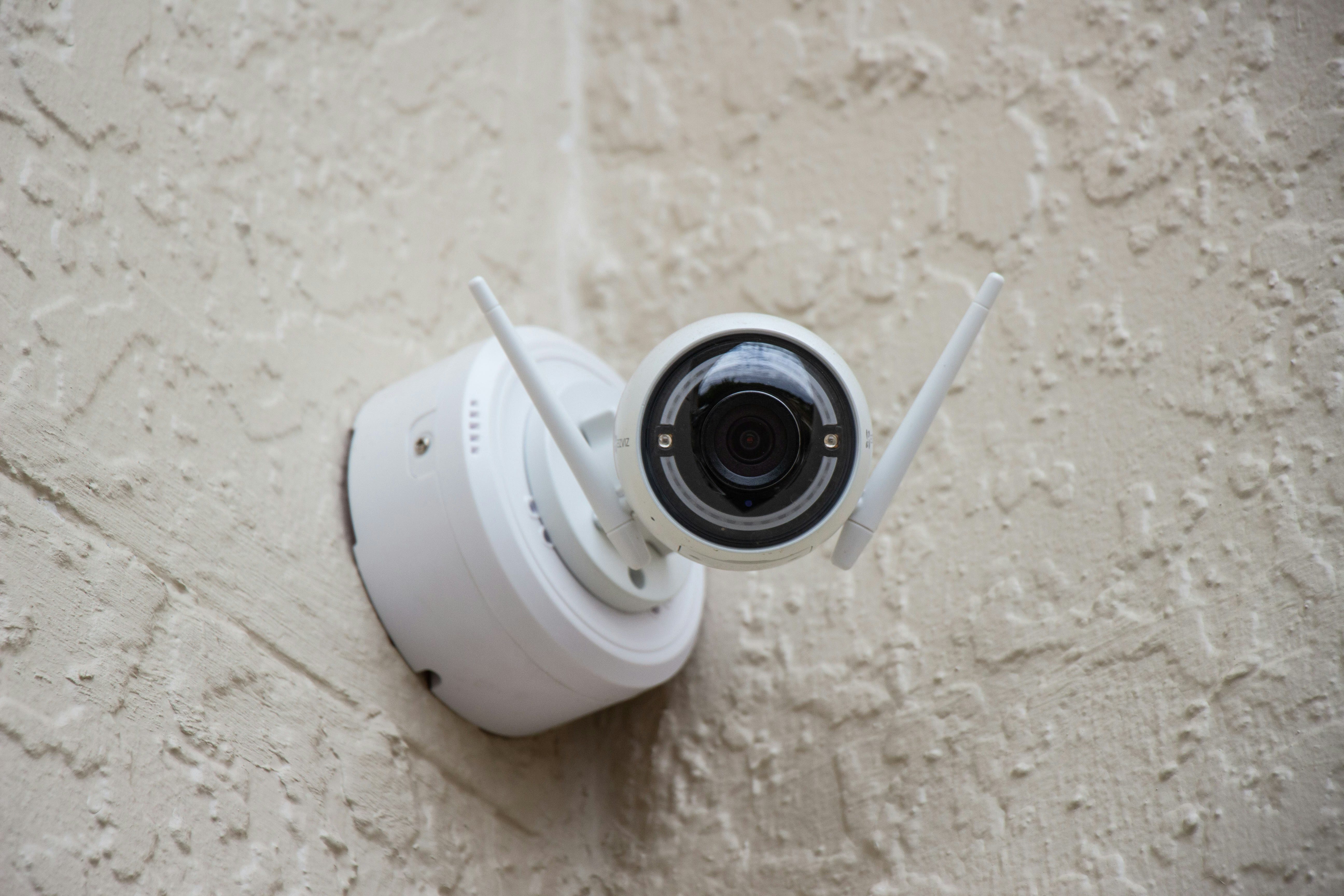
Pete Ticali: Yes. The idea of AI has been around for quite some time. From the beginning, we’ve seen technologies like motion sensors, audio sensors, and VoxSense. This technology has existed since the 1970s. But these days, AI is democratizing access to it. Now, everyone has smart doorbells and smart cameras. We’ve reached a point where police departments no longer just walk up to a car and put their palm on the back lights for safety, as they once did. Now, police cars have license plate scanners. Some of the most inexpensive video surveillance tools can now scan license plates and even recognize faces. The key point about AI is that technology which used to feel futuristic is now embedded in almost everything. We have smart door locks that allow homeowners to decide who can enter the house and when—sometimes even using fingerprint recognition. Technology today is simplifying safety for everyone. It doesn’t matter your social class, technical ability, or income level. AI integration has become part of everyday life. So, did I answer your question?
Jacobsen: Yes. Now, let’s say you have AI-powered security cameras, which make them more effective, and smart doorbells in residential spaces. What about the privacy risks of having these systems integrated and potentially vulnerable to hacking?
Ticali: That will always be a concern. And it’s not only the risk of hackers accessing the content from these cameras and doorbells. It’s also the risk of hackers targeting the very systems you use to power and extend these devices.
So not only are you opening the possibility for people to see what’s coming out of your cameras, but you’re also extending your Wi-Fi outside your home, where most of these cameras are. You also have to think about what’s available by default to these devices. We saw this with Eufy, the Chinese manufacturer, where their technology wasn’t secure. RealLink also had some questions around the security of their tools. For the most part, these devices are only picking up video, which is legal. You typically have to enable audio separately, which is a good step in the right direction. Companies like Amazon and Google have changed their relationships with law enforcement. Now, the owner of the content—the owner of the cameras—must grant access to law enforcement. So you definitely have to think about what you’re doing, where you’re storing content, who the manufacturer is, and whether they have a good reputation around privacy. But you also have to consider what happens to your Wi-Fi. What happens if you have a network link outside your home that could be physically or digitally intruded upon? And even beyond that, what happens in the event of an internet failure? What happens in the event of a power outage? Do we lose not only connectivity but also our sense of security? It’s always going to be a balance of security versus vulnerability, and it always comes down to how much control you can exercise over it. The positive development from bigger players like Amazon and Google is that they’ve established stronger safeguards—solid restrictions on who can connect, how they can connect, and what permissions exist. Even recently, in the last year or so, they’ve shifted from offering lifetime video storage to defaulting to shorter retention periods. For example, Ring camera footage is now available by default for only 90 days. So we’re moving toward a reasonable middle ground. Can you ever be perfect? Absolutely not. But the real question is: how much can you control?
Jacobsen: As AI develops, could there be intelligent systems that act as intermediaries between the user and the cameras themselves—systems that adapt to cyber threats in real time? For example, something like an open AI agent that learns what risks are relevant for that specific person. Obviously, they’re not dealing with threats at the level of a government minister of state, but they might face risks typical of a regular residential home in Minnesota, for instance. Could the system learn those patterns and automatically build the right protections for them? Is that a possibility?
Ticali: That kind of approach has already been standardized to some extent. If you look at Ring or Google’s video systems, they’ve moved toward giving the user complete control over the content from their cameras. In the past, the neighborhood app connected to Ring cameras made content by default available to both the owner and law enforcement. They’ve since changed that. Now, as the account holder, you have to specifically grant access—either full access to your cameras or permission for a single clip at a time. So it’s been shifted entirely to the owner’s side. Enterprises and state departments follow similar rules in terms of data handling and access. Could such a system be made fully automatic? That would be problematic. How could a computer determine what is or isn’t a threat when even human juries of twelve people struggle with those judgments? Every day, we see citizens brought to trial for self-defense cases where the question is whether force was legally justified. If humans can’t agree on those decisions, how could we ever expect a computer to?
Jacobsen: What do New Yorkers find themselves faced with? I mean, it’s an advanced part of not only the country, but the world.
Ticali: I think New Yorkers have a lot of different points of view. If you look at the two different sides of the state, you’ve got people who are willing to give up freedoms in exchange for security. But under the law, people shouldn’t have to give up their freedom, their control, or their ability to defend themselves—especially at a time when the average police response time for service calls has significantly increased. While crime rates are often reported as decreasing, the number of emergency service calls has risen by 20 to 40 percent year after year. So New Yorkers are concerned about safety, but they also want to be their own first responders. At the same time, there are New Yorkers willing to give up all of their privacy. On the Second Amendment side, New York has a law requiring a full registry of every gun owned in the state. That would not stand under the Constitution and wouldn’t fly in many other states, but fear drives acceptance of it. We’ve reached the point where the governor of New York has called out the National Guard to protect the subway system. People are understandably concerned, and they’re willing to allow surveillance cameras for some level of protection. Unfortunately, as you and I both know, cameras are only useful after the fact—to catch the bad actors once something has already happened. From an AI standpoint, the better approach is to make your home and your person more resilient. The goal is to give you more tools and make your house less of a target. Criminals generally don’t want to get caught, they’re not looking for a fight, and they’re not looking for a challenge. They’re looking for the easy option—like households where automatic timers predictably turn lights on at seven o’clock at night and off at four in the morning. That’s an easy way to identify who’s home and who isn’t.
Last updated May 3, 2025. These terms govern all In-Sight Publishing content—past, present, and future—and supersede any prior notices. In-Sight Publishing by Scott Douglas Jacobsen is licensed under a Creative Commons BY‑NC‑ND 4.0; © In-Sight Publishing by Scott Douglas Jacobsen 2012–Present. All trademarks, performances, databases & branding are owned by their rights holders; no use without permission. Unauthorized copying, modification, framing or public communication is prohibited. External links are not endorsed. Cookies & tracking require consent, and data processing complies with PIPEDA & GDPR; no data from children < 13 (COPPA). Content meets WCAG 2.1 AA under the Accessible Canada Act & is preserved in open archival formats with backups. Excerpts & links require full credit & hyperlink; limited quoting under fair-dealing & fair-use. All content is informational; no liability for errors or omissions: Feedback welcome, and verified errors corrected promptly. For permissions or DMCA notices, email: scott.jacobsen2025@gmail.com. Site use is governed by BC laws; content is “as‑is,” liability limited, users indemnify us; moral, performers’ & database sui generis rights reserved.

 In-Sight Publishing