Balaram Thapa on Leading Nepal Hiking Team, Ethical Trekking, and the Future of Himalayan Adventure
Author(s): Scott Douglas Jacobsen
Publication (Outlet/Website): A Further Inquiry
Publication Date (yyyy/mm/dd): 2025/10/10
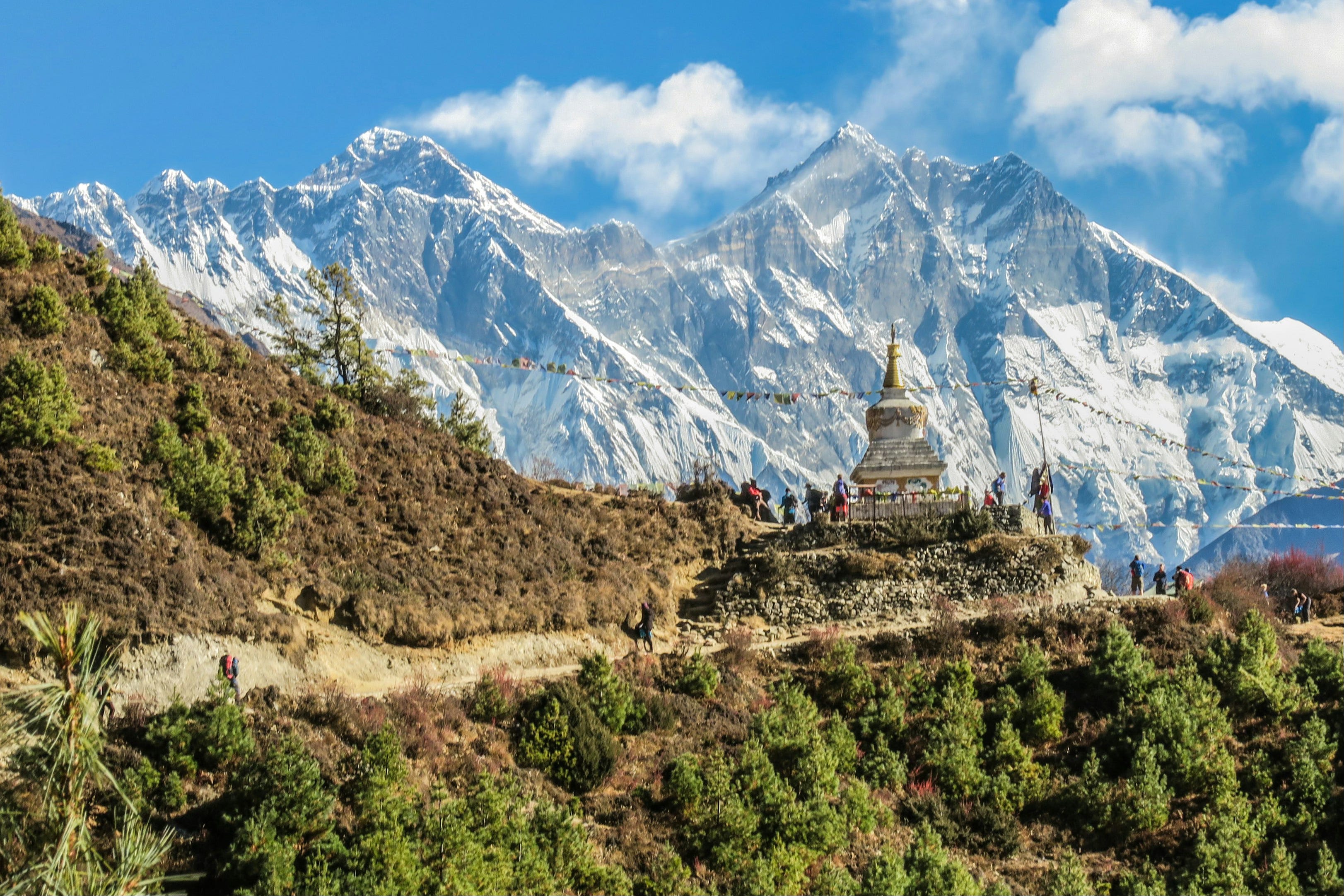
Balaram Thapa is the Co-Founder and CEO of Nepal Hiking Team, a premier trekking and adventure travel company based in Kathmandu, Nepal. With over 20 years of experience in the Himalayas, Balaram began his career as a porter and guide before establishing one of Nepal’s top-rated expedition outfits. He is widely respected for his expertise in high-altitude trekking, sustainable tourism, and ethical adventure leadership. Under his guidance, Nepal Hiking Team has become a trusted choice for travelers seeking Everest Base Camp treks, Annapurna circuits, and culturally immersive Himalayan journeys. A strong advocate for local empowerment, eco-friendly travel, and cultural respect, Balaram continues to shape the future of adventure tourism in Nepal while preserving the soul of the Himalayas.
In this interview with Scott Douglas Jacobsen, Thapa shares his journey from porter to leading one of Nepal’s most respected trekking companies. With over 20 years of Himalayan experience, Thapa emphasizes mutual respect, sustainable tourism, and cultural integrity in adventure travel. He challenges misconceptions about trekking in Nepal, highlights the importance of hiring local guides, and advocates for fair economic practices that empower communities. Thapa also addresses issues like misuse of the term “Sherpa,” the balance between luxury and authenticity, and the critical role of acclimatization. His vision ensures that Nepal’s adventure tourism preserves both people and mountains.
Scott Douglas Jacobsen: You started your journey as a porter. Now, you’re CEO of Nepal Hiking Team. How has this personal experience shaped your leadership values?
Balaram Thapa: I started working as a trekking porter back in 1998 to help pay my college tuition. Carrying loads through the Himalayas wasn’t easy, but it taught me more than any classroom ever could. I gained real knowledge of the trails, local cultures, and the daily life of the people who make mountain journeys possible.
That experience shaped everything—how I think, how I lead, and how I treat people. I know firsthand what it feels like to walk for days in tough weather with a heavy pack. So today, even as CEO, I see every guide, porter, and team member not as staff—but as the backbone of our success.
My leadership is built on mutual respect, fairness, and dignity. I believe in creating a work environment where no one is overlooked, and where decisions are made with field experience and humanity at the core.
Jacobsen: What are the biggest misconceptions international travelers have about trekking?
Thapa: Many travelers still assume that trekking in Nepal is only for the super fit, extremely adventurous, or those ready to “rough it” with tents and no comfort. But that’s outdated. Most popular trekking regions now have well-developed teahouse infrastructure with warm meals, cozy lodges, and hot showers in many villages—especially in places like Everest, Annapurna, and Langtang.
Another common misconception is that all treks in Nepal are the same, or only about Everest. In truth, Nepal offers diverse trekking experiences—from remote routes like Manaslu and Nar Phu to cultural walks through mid-hill villages.
Some also think hiring guides or porters is optional. But they don’t realize the value of a local team—not only for safety and navigation but also to connect with the local culture and support the economy. Trekking can be accessible, meaningful, and safe when done with the right mindset and preparation.
Jacobsen: How can travelers ensure trekking experiences benefit Nepali communities?
Thapa: One of the best ways travelers can support local communities is by booking directly with local trekking companies. This simple choice makes a big difference. It means more of their money stays in Nepal—directly supporting guides, porters, teahouse owners, and the families who depend on mountain tourism.
When travelers book through international companies, they often pay more, but only a small portion reaches the ground level. By going local, they not only save money but also contribute more meaningfully to Nepal’s economy. It helps create fair jobs, promotes community-based tourism, and ensures that the people doing the hard work are properly recognized and compensated.
Travelers can also choose trips that use local lodges, buy food from village markets, and respect local customs. When tourism is rooted in local connection, the entire experience becomes more personal, more responsible, and more sustainable.
Jacobsen: How is Nepal Hiking Team adapting to travel preferences?
Thapa: Travel styles have changed a lot in the past few years, and we’ve adapted with flexibility at the core of everything we do. At Nepal Hiking Team, we offer fully customizable itineraries—whether someone wants a short 7-day trek or a longer 20-day expedition. We also arrange luxury trekking options, private heli exits, and high-end lodge routes for those seeking comfort with adventure.
Many travelers today are looking for more personal, flexible, and meaningful experiences. That’s why we run both group and private trips, accommodate last-minute changes, and welcome travelers of all ages—from solo hikers to multi-generational families. Some want to combine trekking with climbing peaks like Mera or Island Peak, while others prefer a cultural tour before or after the trek.
Our goal is to understand what each traveler needs and offer the right balance of comfort, challenge, and cultural connection—without ever losing the authenticity of the Himalayan trail.
Jacobsen: You’ve highlighted the misuse of the term “Sherpa.” Why?
Thapa: The word “Sherpa” is often misunderstood and misused—especially in Western media and adventure sports. It’s not a job title. It’s the name of a proud ethnic group with deep cultural roots in the Himalayas. The Sherpa people have their own language, customs, spiritual traditions, and history that deserve respect and recognition.
Using “Sherpa” as a generic term for porters or support staff is not only incorrect—it erases identity. In Nepal, not all guides or porters are Sherpa. They come from many communities: Rai, Tamang, Gurung, Magar, and others. When the word is misused, the real Sherpa community loses credit for its heritage, and other ethnic groups are also overlooked.
As someone who grew up in this industry, I believe in honoring people by their name, skill, and background—not reducing them to a label. It’s time the global adventure community stops using “Sherpa” as a substitute for “porter” and starts recognizing the individuals behind the work.
Jacobsen: How do you balance rising demand for luxury trekking and authentic Himalayan spirit?
Thapa: Luxury in the Himalayas is always limited by geography. True luxury—like high-end lodges, private rooms, and gourmet meals—is only available in the lower elevations, mainly near places like Lukla, Namche, or the Annapurna foothills. Once you head higher, the trails get remote, and comfort comes in simpler forms: warmth, safety, good food, and genuine hospitality.
At Nepal Hiking Team, we try to create a balance. For travelers seeking more comfort, we design fusion experiences—premium hotels in Kathmandu and Pokhara, luxury lodges on the lower trail, and helicopter exits from places like Gorak Shep or Dingboche. But we never lose the authentic trekking rhythm: walking village to village, connecting with local people, and experiencing the raw beauty of the mountains.
Luxury can enhance the journey, but it should never overpower the heart of Himalayan trekking. We focus on delivering comfort where possible, while always preserving the spirit, culture, and simplicity that make Nepal so special.
Jacobsen: What safety and acclimatization advice is important for first-time trekkers?
Thapa: Trekking in high altitude isn’t about speed—it’s about rhythm, awareness, and respecting the mountain. For first-time trekkers, the most important safety rule is simple: go slow. Altitude affects everyone differently, and rushing is the biggest mistake.
We always build in proper acclimatization days—especially around 3,000m and 4,000m elevations—to let the body adjust. Staying hydrated is also critical. Drinking enough water helps prevent dehydration, which can worsen altitude symptoms. We also encourage trekkers to eat well—warm, nutritious meals that support energy levels and recovery.
At Nepal Hiking Team, our guides monitor every trekker daily for early signs of altitude sickness. If someone needs to stop, descend, or rest, we never push forward. Safety comes first—always. With the right guidance, pacing, and mindset, even high-altitude treks like Everest Base Camp can be done comfortably and safely.
Jacobsen: What is the role of Nepal and the Himalayas in global adventure and tourism?
Thapa: Nepal is more than a trekking destination—it’s a living museum of nature, culture, and humanity. The Himalayas have always drawn adventurers, but what makes this region truly special is not just the mountains—it’s the connection between the landscape, the people, and the spirit of harmony that runs through every trail.
As global adventure tourism grows, Nepal has a unique responsibility: to protect its natural beauty while offering life-changing experiences. We must preserve the Himalayas—not only for ourselves, but for future generations. That means promoting responsible trekking, community-based tourism, and cultural respect.
Nepal is one of the few places where adventure and authenticity still walk side by side. From the highest peaks to the quietest villages, we offer something rare: the chance to feel both humbled and welcomed at the same time. That’s the real role of Nepal in global tourism—to inspire, to ground, and to remind people what truly matters.
Jacobsen: Thank you for the opportunity and your time, Balaram.
Last updated May 3, 2025. These terms govern all In-Sight Publishing content—past, present, and future—and supersede any prior notices. In-Sight Publishing by Scott Douglas Jacobsen is licensed under a Creative Commons BY‑NC‑ND 4.0; © In-Sight Publishing by Scott Douglas Jacobsen 2012–Present. All trademarks, performances, databases & branding are owned by their rights holders; no use without permission. Unauthorized copying, modification, framing or public communication is prohibited. External links are not endorsed. Cookies & tracking require consent, and data processing complies with PIPEDA & GDPR; no data from children < 13 (COPPA). Content meets WCAG 2.1 AA under the Accessible Canada Act & is preserved in open archival formats with backups. Excerpts & links require full credit & hyperlink; limited quoting under fair-dealing & fair-use. All content is informational; no liability for errors or omissions: Feedback welcome, and verified errors corrected promptly. For permissions or DMCA notices, email: scott.jacobsen2025@gmail.com. Site use is governed by BC laws; content is “as‑is,” liability limited, users indemnify us; moral, performers’ & database sui generis rights reserved.


