AI in Home Security: Cahyo Subroto on Privacy, Risks, and Consumer Choices
Author(s): Scott Douglas Jacobsen
Publication (Outlet/Website): A Further Inquiry
Publication Date (yyyy/mm/dd): 2025/10/20
Cahyo Subroto is the founder of MrScraper, a company specializing in large-scale data extraction and automation infrastructure. With extensive experience in building systems that handle vast amounts of information, Subroto brings a unique perspective on the intersection of artificial intelligence, hardware integration, and privacy concerns. While his company does not directly develop home security products, his expertise in data collection and automation informs his views on the rapid adoption of AI in domestic security systems. He advocates for greater transparency, stronger legal safeguards, and consumer awareness in the face of evolving risks tied to surveillance technologies.
Scott Douglas Jacobsen: Briefly give us some of your background and work.
Cahyo Subroto: I’m Cahyo Subroto, founder of MrScraper, where we focus on large scale data extraction and automation infrastructure. While we don’t build home security products directly, I spend a lot of time thinking about how AI systems handle data, integrate with hardware, and impact user privacy, and these concerns apply just as much to the home as they do to enterprise-scale scraping or automation.
Jacobsen: How is AI being integrated into home security systems?
Subroto: In my view, AI is becoming the standard layer on top of what used to be simple sensors or cameras. Now, smart doorbells can recognize familiar faces or distinguish packages from animals at the door. Indoor cameras can detect unusual movement patterns and alert homeowners in real time. Even cheaper motion detectors are using machine learning to reduce false alarms by learning to ignore pets or routine movements. It’s about making these systems proactive, reducing nuisance alerts, and turning raw video feeds into actionable events.
Jacobsen: What are the ethical and legal risks tied to data collection, surveillance, and facial recognition?
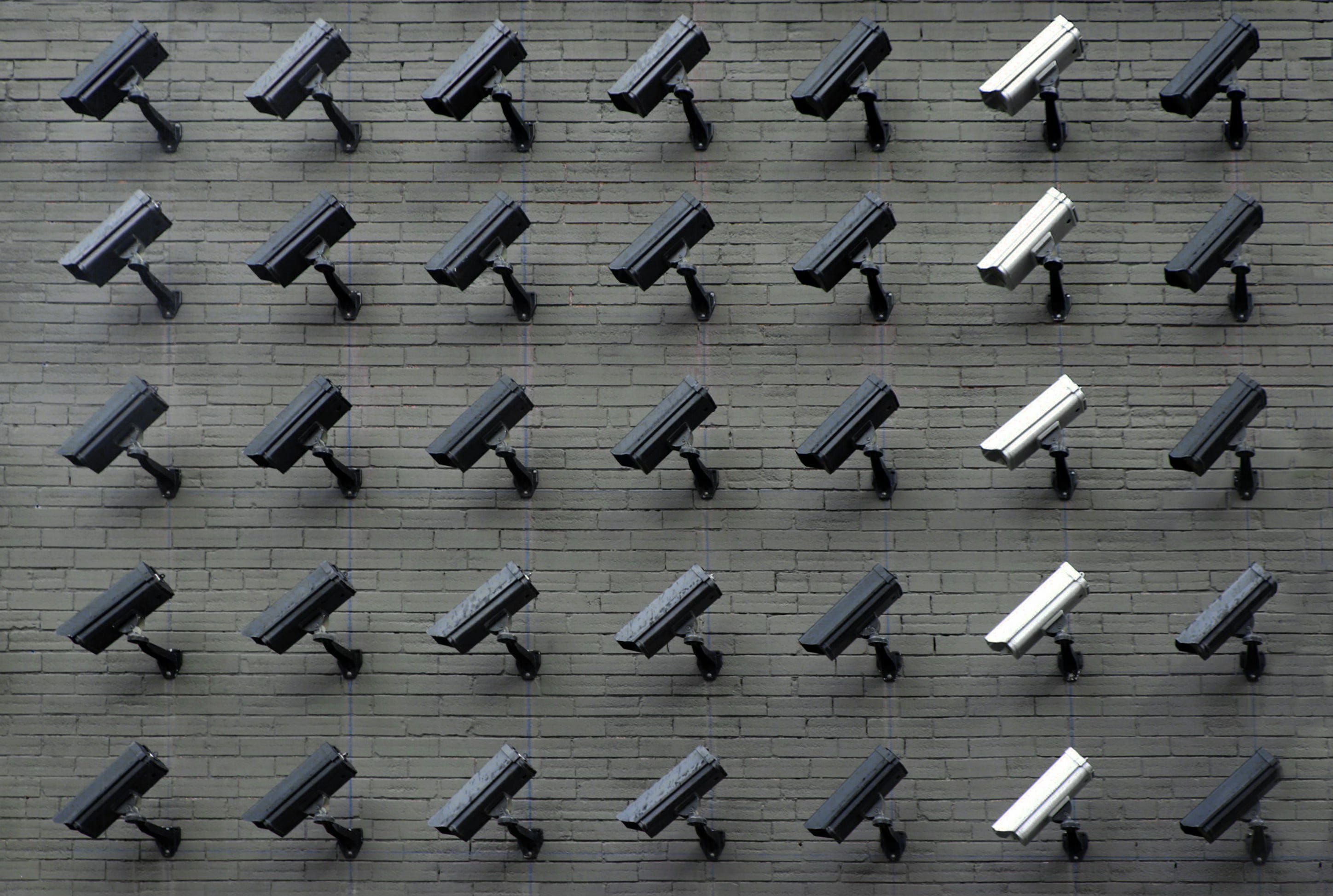
Subroto: For me, the biggest risk is that these systems aren’t limited to the homeowner’s eyes. Cloud connected devices store or process footage off-site, which creates a clear data privacy exposure. Facial recognition takes it even further by creating biometric profiles of visitors, neighbors, or delivery people—often without their consent. Even when companies promise security, any breach means highly personal footage or movement patterns can leak. On top of that, these systems can normalize constant surveillance in private spaces, which is something we should talk about openly.
Jacobsen: Are existing regulations sufficient?
Subroto: In my experience with data collection, current regulations are far behind the technology. Many regions don’t have clear rules about storing or sharing biometric data like facial recognition profiles. Companies often set their own policies for how long footage is kept or who they share it with. This puts the burden on homeowners to read the fine print and trust vendor promises. Without stronger legal standards, consumers don’t have reliable guarantees about how their most private data is handled or protected.
Jacobsen: What is the potential for misuse of AI-powered security?
Subroto: Bias in facial recognition is a real problem. Systems often perform worse for people with darker skin tones or less common facial features. That can lead to false identifications or unwarranted calls to police if systems integrate with emergency services. (https://jolt.law.harvard.edu/digest/why-racial-bias-is-prevalent-in-facial-recognition-technology?)
There’s also the risk of hacking. Where if someone gains access to these feeds, they can see when you’re home or away, or watch private areas of your property. Over time, this kind of technology can create a sense of constant surveillance that discourages normal behavior even inside your own home.
Jacobsen: What should consumers consider?
Subroto: My recommendation is to understand where your data goes. Ask if the device stores video locally or in the cloud. Does the vendor encrypt footage end to end? Can you control who accesses recordings and how long they’re kept? Also, review how facial recognition is used—can you disable it entirely if you’re not comfortable? Consumers should treat these systems less like passive tools and more like connected computers with cameras pointed at their private lives. Being intentional about setup, permissions, and ongoing management is the best defense against misuse.
Jacobsen: Thank you for the opportunity and your time, Cahyo.
Last updated May 3, 2025. These terms govern all In-Sight Publishing content—past, present, and future—and supersede any prior notices. In-Sight Publishing by Scott Douglas Jacobsen is licensed under a Creative Commons BY‑NC‑ND 4.0; © In-Sight Publishing by Scott Douglas Jacobsen 2012–Present. All trademarks, performances, databases & branding are owned by their rights holders; no use without permission. Unauthorized copying, modification, framing or public communication is prohibited. External links are not endorsed. Cookies & tracking require consent, and data processing complies with PIPEDA & GDPR; no data from children < 13 (COPPA). Content meets WCAG 2.1 AA under the Accessible Canada Act & is preserved in open archival formats with backups. Excerpts & links require full credit & hyperlink; limited quoting under fair-dealing & fair-use. All content is informational; no liability for errors or omissions: Feedback welcome, and verified errors corrected promptly. For permissions or DMCA notices, email: scott.jacobsen2025@gmail.com. Site use is governed by BC laws; content is “as‑is,” liability limited, users indemnify us; moral, performers’ & database sui generis rights reserved.


