Introduction to “On Israel-Palestine: 2019-2021”
Author(s): Scott Douglas Jacobsen
Publication (Outlet/Website): Personal SubStack
Publication Date (yyyy/mm/dd): 2025/08/09
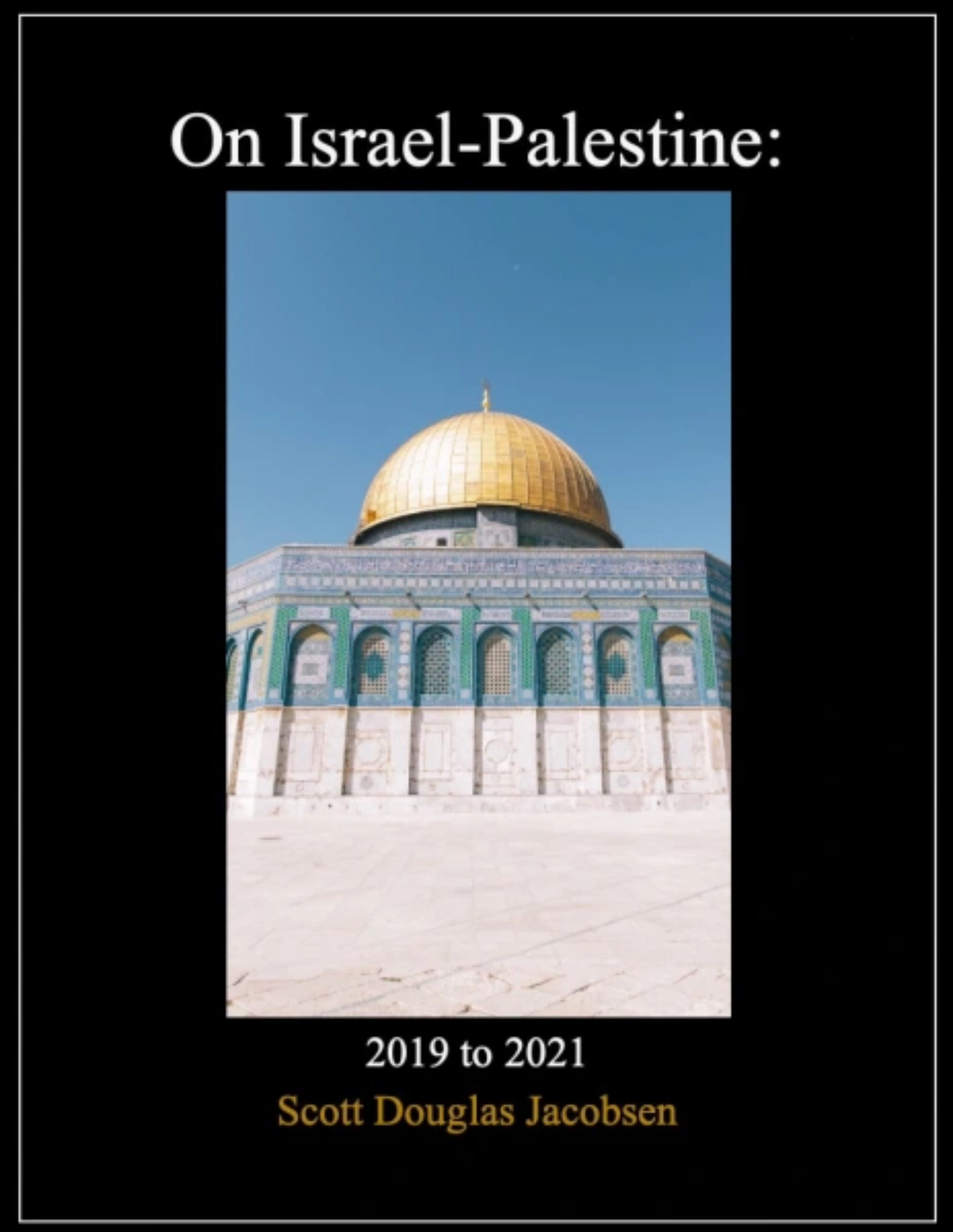
Table of Contents
In-Sight Publishing ………………………………………………………………………………………………………… 1
On Israel-Palestine: 2019-2021 ……………………………………………………………………………………….. 2
Table of Contents …………………………………………………………………………………………………………… 4
Acknowledgements …………………………………………………………………………………………………………………. 7
Foreword by Scott Douglas Jacobsen ………………………………………………………………………………………. 8
Human Rights Watch……………………………………………………………………………………………………. 10
Interview with Omar Shakir – Israel and Palestine Director, Human Rights Watch (Middle East and North Africa Division) ……………………………………………………………………………………………………. 11
May 6, 2019 ……………………………………………………………………………………………………………………………………… 11
HRW Israel and Palestine (MENA) Director on Systematic Methodology and Universal Vision. 17
May 23, 2019 ……………………………………………………………………………………………………………………………………. 17
Human Rights Watch (Israel and Palestine) on Common Rights and Law Violations ……………… 20
May 25, 2019 ……………………………………………………………………………………………………………………………………. 20
Ask HRW (Israel and Palestine) 1 – Recent Events ………………………………………………………………… 22
May 23, 2019 ……………………………………………………………………………………………………………………………………. 22
Ask HRW (Israel and Palestine) 2 – Demolitions ……………………………………………………………………. 23
October 29, 2019 ………………………………………………………………………………………………………………………………. 23
Ask HRW (Israel and Palestine) 3 – November-December: Deportation from Tel Aviv, Israel for Human Rights Watch Israel and Palestine Director ……………………………………………………………….. 26
December 25, 2019……………………………………………………………………………………………………………………………. 26
References ………………………………………………………………………………………………………………………………………. 29
Ask HRW (Israel and Palestine) 4 – Uninhabitable: The Viability of Gaza Strip’s 2020 Unlivability …………………………………………………………………………………………………………………………… 30
March 20, 2020…………………………………………………………………………………………………………………………………. 30
Previous Sessions (easier access than References, in chronological order)………………………………………….. 34
Addenda …………………………………………………………………………………………………………………………………………. 34
References ………………………………………………………………………………………………………………………………………. 34
Ask HRW (Israel and Palestine) 5 – The Trump Peace Plan: Is This the “The Deal of the Century,” or Not? …………………………………………………………………………………………………………………. 37
March 26, 2020…………………………………………………………………………………………………………………………………. 37
References ………………………………………………………………………………………………………………………………………. 40
Footnotes ………………………………………………………………………………………………………………………………………… 43
Ask HRW (Israel and Palestine) 6 – Tripartite Partition: The Israeli Elections, the International Criminal Court (ICC), and SARS-CoV-2/COVID-19 ……………………………………………………………… 60
April 9, 2020…………………………………………………………………………………………………………………………………….. 60
Previous Sessions (Chronological Order)………………………………………………………………………………………….. 63
Addenda …………………………………………………………………………………………………………………………………………. 64
Other Resources Internal to Canadian Atheist …………………………………………………………………………………. 64
References ………………………………………………………………………………………………………………………………………. 64
Ask HRW (Israel and Palestine) 7 – New Heights to the Plight and the Fight: Covid-19, Hegemony, Restrictions, and Rights ………………………………………………………………………………………. 70
August 10, 2020 ……………………………………………………………………………………………………………………………….. 70
Previous Sessions (Chronological Order)………………………………………………………………………………………….. 74
Addenda …………………………………………………………………………………………………………………………………………. 74
Other Resources Internal to Canadian Atheist …………………………………………………………………………………. 75
References ………………………………………………………………………………………………………………………………………. 75
Ask HRW (Israel and Palestine) 8 (w/ Special Rapporteur on the Situation of Human Rights in the Palestinian Territories Occupied since 1967) – Annexation, International Law, Occupation, Rights, and Settlements …………………………………………………………………………………………………………. 80
August 18, 2020 ……………………………………………………………………………………………………………………………….. 80
Previous Sessions (Chronological Order)………………………………………………………………………………………….. 88
Addenda …………………………………………………………………………………………………………………………………………. 88
Other Resources Internal to Canadian Atheist …………………………………………………………………………………. 88
References ………………………………………………………………………………………………………………………………………. 89
Footnotes ………………………………………………………………………………………………………………………………………… 95
Ask HRW (Israel and Palestine) 9 – When Rain is Law and Justice is Dry Land …………………… 122
May 3, 2021 ……………………………………………………………………………………………………………………………………. 122
Previous Sessions (Chronological Order)………………………………………………………………………………………… 129
Addenda ……………………………………………………………………………………………………………………………………….. 130
Other Resources Internal to Canadian Atheist ……………………………………………………………………………….. 130
References …………………………………………………………………………………………………………………………………….. 130
Footnotes ………………………………………………………………………………………………………………………………………. 137
Ask HRW (Israel and Palestine) 10: The Human Rights Skyfall …………………………………………… 138
August 17, 2021 ……………………………………………………………………………………………………………………………… 138
Previous Sessions (Chronological Order)………………………………………………………………………………………… 144
Addenda ……………………………………………………………………………………………………………………………………….. 145
Other Resources Internal to Canadian Atheist ……………………………………………………………………………….. 145
References …………………………………………………………………………………………………………………………………….. 146
Footnotes ………………………………………………………………………………………………………………………………………. 151
Addendum………………………………………………………………………………………………………………….. 153
Ask HRW (Israel and Palestine) Addendum: Some History and Contextualization of Rights … 154
March 20, 2020……………………………………………………………………………………………………………………………….. 154
References …………………………………………………………………………………………………………………………………….. 157
Other Resources …………………………………………………………………………………………………………. 162
Interview with Dr. Norman Finkelstein on Gaza Now …………………………………………………………… 163
April 26, 2019…………………………………………………………………………………………………………………………………. 163
Extensive Interview with Gideon Levy …………………………………………………………………………………. 171
April 3, 2020…………………………………………………………………………………………………………………………………… 171
Interview with Musa Abu Hashash – Field Researcher (Hebron District), B’Tselem ……………… 179
March 17, 2020……………………………………………………………………………………………………………………………….. 179
Some Background Resources on Musa …………………………………………………………………………………………… 180
Interview with Gideon Levy – Columnist, Haaretz ……………………………………………………………….. 182
May 3, 2019 ……………………………………………………………………………………………………………………………………. 182
Interview with Dr. Usama Antar – Independent Political Analyst (Gaza Strip, Palestine) ……… 189
May 22, 2019 ………………………………………………………………………………………………………………………………….. 189
Interview with Wesam Ahmad – Representative, Al-Haq (Independent Palestinian Human Rights Organization) …………………………………………………………………………………………………………… 192
April 13, 2020…………………………………………………………………………………………………………………………………. 192
Extensive Interview with Professor Richard Falk – Fmr. (5th) United Nations Special Rapporteur on the Situation of Human Rights in the Palestinian Territories Occupied since 1967 …………………………………………………………………………………………………………………………………………… 196
April 24, 2020…………………………………………………………………………………………………………………………………. 196
Extensive Interview with Professor John Dugard – Fmr. (4th) United Nations Special Rapporteur on the Situation of Human Rights in the Palestinian Territories Occupied since 1967 ……………. 206
May 6, 2020 ……………………………………………………………………………………………………………………………………. 206
Extensive Interview with S. Michael Lynk – (7th) United Nations Special Rapporteur on the Situation of Human Rights in the Palestinian Territories Occupied since 1967………………………. 216
August 4, 2020 ……………………………………………………………………………………………………………………………….. 216
Conversation with John Dugard, Richard Falk, and S. Michael Lynk on the Role of the Special Rapporteur, and the International Criminal Court & Jurisdiction ……………………………………….. 232
August 6, 2020 ……………………………………………………………………………………………………………………………….. 232
Dr. Norman Finkelstein on the International Criminal Court ……………………………………………….. 242
August 13, 2020 ……………………………………………………………………………………………………………………………… 242
License and Copyright ………………………………………………………………………………………………… 246
License ……………………………………………………………………………………………………………………………….. 246
Copyright ……………………………………………………………………………………………………………………………. 246
AcknowledgementsTo Omar Shakir, Dr. Norman Finkelstein, John Dugard, Richard Falk, S. Michael Lynk, Wesam Ahmad, Dr. Usama Antar, Gideon Levy, and Musa Abu Hashash, for the opportunities and time.
Scott Douglas Jacobsen
Foreword by Scott Douglas JacobsenHuman beings invented human rights as human beings invented the gods. To quote Ezra Pound:
The long flank, the firm breastand to know beauty and death and despairand to think that what has been shall be,flowing, ever unstill,Then a partridge-shaped cloud over dust storm.The hells move in cycles,No man can see his own end.
The Gods have not returned. “They have never left us.”They have not returned.
Nevertheless, as we all know, the concept of a god, not simply the Abrahamic Yahweh – G-d, comes with blessings and cursings, fortunes and failings, and some claims about Him, not all of which may be true – maybe none. The god concept contains premises knit together into a weave—a weave laced as a drape, even a curtain, gently over the mindscape of believers.
Believers believe. Believers act. Believers converse. Believers convert. Believers coalesce. Believers change and alter societies. In this way, the god concept transmutes the abstract, the in-mind, into the concrete, the in-reality. No matter the god in mind, that process affects most rising and falling societies in history. Thus, maybe, we can all agree: the god concept, ignoring veracity, impacts the world in history and to the present, massively.
That which amounts to the in-mind, the invented, the imaginary, the unreal, can affect the in-reality, in that sense. The god concept tends to come with a few universalist ethical principles, for example, the Golden Rule, loving one’s neighbour as oneself, compassion and justice, non-harm and welfare, the one family world, brotherhood, world reparation, justice and dignity, service to humanity, living in harmony with The Way, benevolence and reciprocity, and equality.
Let us call these traditionalist transcendental religious ethics in the universalist canon; the rest sit in the particularist camp. Parochialism is a specific set of guidelines, rules, and laws for a particular set of believers.
Even if taking the god concept, whether true or not, a mind becomes necessary to make god exist and for the concept to actualize in the world through said beings’ minds and lives. Similarly, with the universalist and particularist camps of transcendentalist religious ethics, those need minds to act within them as social codes. In that sense, they become intersubjective agreements in sociality more than objective moralities – let alone transcendental realities.
In this manner, traditionalist transcendental religious ethics become universalist, at times, and parochial, in others. While in truth, that is to say, they become intersubjective agreements bound to specific geographic locales and historical periods, they get perceived as transcendental and objective, mistakenly.
Human rights come forth similarly, in-mind. In the mind, these formulate the codes of conduct and ethics in most of the substantive ethical institutions in the world today. They exist around the globe. They created the framework for establishing an international system of laws, obligations, and rules. These become, not only human rights but, international human rights. These institutions become stronger with each passing year, for the most part, with some, minor setbacks.
These international human rights come with massive intersubjective agreements despite consistent violations since the inception of their invention. The striving for international human rights converges with the work of universalism.
The universalism inherent in international human rights represents a convergence of the universalism from religious ethics towards a common core of moral truths bound to a principle of simplicity in foundations for an optimization of ethical considerations with equal application for all in theory with the extinguishment of religion in them while an allowance for belief in them, through them. In a manner similar to the god concept, minds become necessary for actualization in beings’ minds and lives. No minds, no rights, so minds make rights. An intersubjective agreement abstracted for approximated objective observation of formalized processes, human actions, international institutions, and rights documents. The difference: god concepts get blind acceptance, illegitimate authority, and dogmatic worship; rights get conscious deliberation, open debate, and democratic enactment. The former as absolute and simplistic. The latter as statistical and complex.
Traditional religious transcendental ethics seen in the religious ethics come with narrow application. International human rights come with broad applicability. Do not simply believe me; we merely need to count the truism: Even amongst the religious in societies, most adhere to human rights arguments when making cases for fairness, justice, and truth. In addition, few play by religious rules in an international sense. Most play by international human rights through global institutions, for example, the United Nations. Every Member State participates there, whether the General Assembly, Security Council, Economic and Social Council, or the International Court of Justice. Not many take part in the religious ethics in theocracies or the dogmatic secular moralities of Maoism, Communism, and the like. International human rights become secular in this decoupling process. These become international secular human rights, whether spiritual religions or political religions: Both insist on and generate dogma.
Hence, the reason for the stipulations in prior writings of traditional religious transcendental ethics and international secular human rights as a distinction for Canadians and others, one, to make, and two, to decide upon as a path forward for their societies and regions. Even though, these exist, gods and rights, in mind. Their impacts on individual lives and systems of governance remain inevitable while not immutable. Any move towards universalism in ethics will necessitate a move to international secular human rights due to the decoupling from the parochial nature of spiritual and political dogmas. In this way, abstracted ethical principles garner reality through these intersubjective agreement abstractions of international secular human rights enacted through minds into lives with an arc towards universalism as a prism for fractionation to pervasive values and decoupled from spiritual and political religions: benevolence, compassion, dignity, equality, harmony, justice, non-harm, one family world, reciprocity, service, welfare, and world reparation. Which is to say, we never “left” ourselves.
January 19, 2024
Scott Douglas Jacobsen
Last updated May 3, 2025. These terms govern all In-Sight Publishing content—past, present, and future—and supersede any prior notices. In-Sight Publishing by Scott Douglas Jacobsen is licensed under a Creative Commons BY‑NC‑ND 4.0; © In-Sight Publishing by Scott Douglas Jacobsen 2012–Present. All trademarks, performances, databases & branding are owned by their rights holders; no use without permission. Unauthorized copying, modification, framing or public communication is prohibited. External links are not endorsed. Cookies & tracking require consent, and data processing complies with PIPEDA & GDPR; no data from children < 13 (COPPA). Content meets WCAG 2.1 AA under the Accessible Canada Act & is preserved in open archival formats with backups. Excerpts & links require full credit & hyperlink; limited quoting under fair-dealing & fair-use. All content is informational; no liability for errors or omissions: Feedback welcome, and verified errors corrected promptly. For permissions or DMCA notices, email: scott.jacobsen2025@gmail.com. Site use is governed by BC laws; content is “as‑is,” liability limited, users indemnify us; moral, performers’ & database sui generis rights reserved.


