1742: Gayleen Cornelius on South African Human Rights, Humanism, Race, and Progressive Reform
Author(s): Scott Douglas Jacobsen
Publication (Outlet/Website): Medium (Personal)
Publication Date (yyyy/mm/dd): 2026/08/18
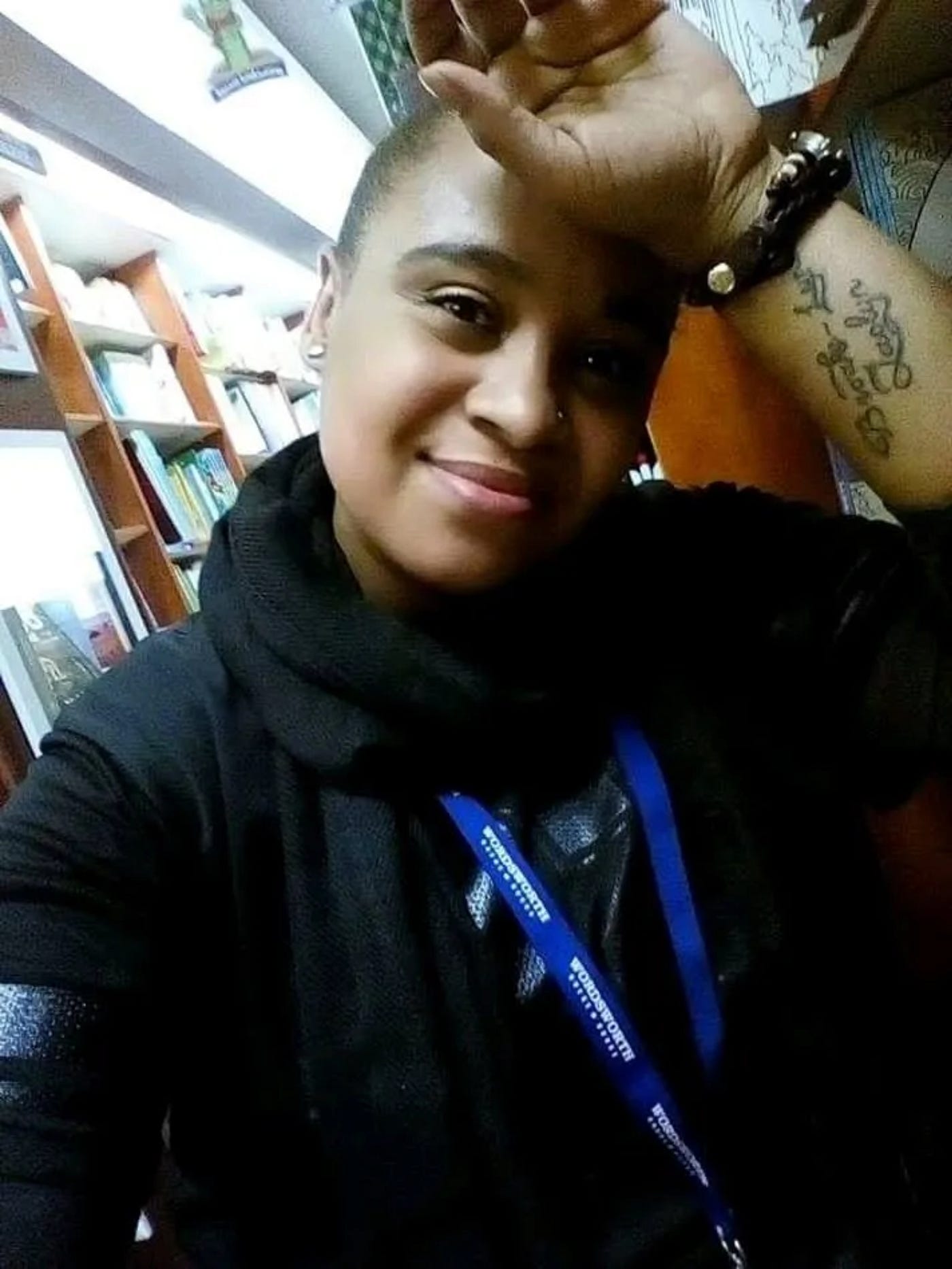
“Almost everything about South Africa looks great on paper. Progressive legislation has been at the forefront of South African politics since Apartheid fell in 1994. Same-sex marriage was legalized a decade before the world’s biggest democracy; the USA. Women’s rights have been championed by the South African government as the cornerstone to societal progress.”
“Culture is definitely a huge issue in this case. South Africa is a multicultural society and more often than not, citizens and residents alike exchange various cultural attributes or get in conflict because of them. It just so happens that all of the traditional cultures in South Africa are patriarchal and this has fostered a general acceptance of misogyny by the South African society.”
“There is a general retaliatory attitude against the progressive legislation the government puts because a lot of South Africans see it as an attack towards their culture. After same-sex marriage was legalized for instance, the main victims of homophobia were mainly lesbian women. There are accounts of what has been termed ‘correctional rape’ by heterosexual males against lesbians all over South Africa up to this day at alarming rates. The perpetrators believe that their victims will be fixed after the rape, or maybe it’s just plain cruelty.”
“Poverty also undermines the efforts legislators have made to promote human rights. Income inequality is alarming in South Africa and despite the country being one of the richest in Africa, it is very easy to go homeless in South Africa rather than any other African country because of the nature of capitalism and white-owned real estate that hasn’t changed since Apartheid. It is common to see poor families marrying off their underaged daughters to make ends meet and this puts a lot of girls at risk of child marriages.”
“Tough immigration laws affect a lot of African migrant women who come to South Africa in search of a better life in their thousands every year. It’s very difficult for them to get permits to work and so they end up working in a very dangerous and unregulated sex work industry. A lot of them are at risk of rape, crime, STI’s and arrest. Some of them end up being sold off by women trafficking goons or as cheap labour to white farmers who treat them just like slaves.”
“Mandela is and will always be an icon. Very few people know enough about the struggles that brought them freedom. Lately for the most part his status is that of a celebrity. This is the general consensus in South Africa.”
“In reality it is far fetched. It is the same as christians idolizing Jesus without living by his words in reality. South Africans idolize Mandela but few of them follow his example.”
“South Africa is a very diverse country with 14 national languages. Historically rival ethnic groups like the Zulu and the Xhosa would have continued with the tribalist violence that almost got out of hand before the reconciliation programs in 1994. Xenophobia against other African nationalities would have been violent and gruesome. Racism wouldn’t have progressed at all since the Apartheid era and boiled out to a civil war.”
“Racism has threatened a lot of aspects affecting South African civil society and that has led to the rise of a far left wing of black nationalists and an alt right wing of white nationalists. The populist sentiments that have risen through Julius Malema’s Economic Freedom Fighters and the Afrikaner community’s Afriforum can possibly worsen identity politics and if any one of them get into power in 2019, it would be a newer version of Apartheid all over again. That is the single and most imminent threat to progressivism in South Africa and a lot has to be done to prevent the worst from happening.”
“The younger generation coming up is a lot more progressive than the previous one that lived through Apartheid. Young South Africans have healthier views about race and they understand the conflict from a neutral perspective. There might be hope for the future as the Apartheid generation slowly gets replaced.”
Last updated May 3, 2025. These terms govern all In-Sight Publishing content—past, present, and future—and supersede any prior notices. In-Sight Publishing by Scott Douglas Jacobsen is licensed under a Creative Commons BY‑NC‑ND 4.0; © In-Sight Publishing by Scott Douglas Jacobsen 2012–Present. All trademarks, performances, databases & branding are owned by their rights holders; no use without permission. Unauthorized copying, modification, framing or public communication is prohibited. External links are not endorsed. Cookies & tracking require consent, and data processing complies with PIPEDA & GDPR; no data from children < 13 (COPPA). Content meets WCAG 2.1 AA under the Accessible Canada Act & is preserved in open archival formats with backups. Excerpts & links require full credit & hyperlink; limited quoting under fair-dealing & fair-use. All content is informational; no liability for errors or omissions: Feedback welcome, and verified errors corrected promptly. For permissions or DMCA notices, email: scott.jacobsen2025@gmail.com. Site use is governed by BC laws; content is “as‑is,” liability limited, users indemnify us; moral, performers’ & database sui generis rights reserved.


