Tauya Chinama on Zimbabwe and African Freethought
Publisher: In-Sight Publishing
Publisher Founding: September 1, 2014
Location: Fort Langley, Township of Langley, British Columbia, Canada
Journal: African Freethinker
Journal Founding: November 1, 2018
Frequency: TBD
Review Status: Non-Peer-Reviewed
Access: Electronic/Digital & Open Access
Fees: None (Free)
Volume Numbering: 1
Issue Numbering: 1
Web Domain: http://www.in-sightpublishing.com
Individual Publication Date: July 7, 2024
Issue Publication Date: TBD
Author(s): Scott Douglas Jacobsen
Author(s) Bio: Scott Douglas Jacobsen is the Founder of In-Sight Publishing and Editor-in-Chief of “In-Sight: Independent Interview-Based Journal” (ISSN 2369–6885). He is a Member of the Canadian Association of Journalists in Good Standing. You can email: Scott.Douglas.Jacobsen@Gmail.Com.
Word Count: 4,909
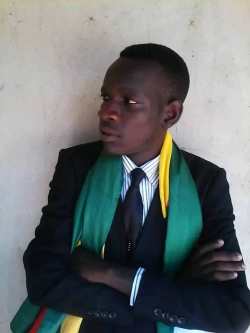
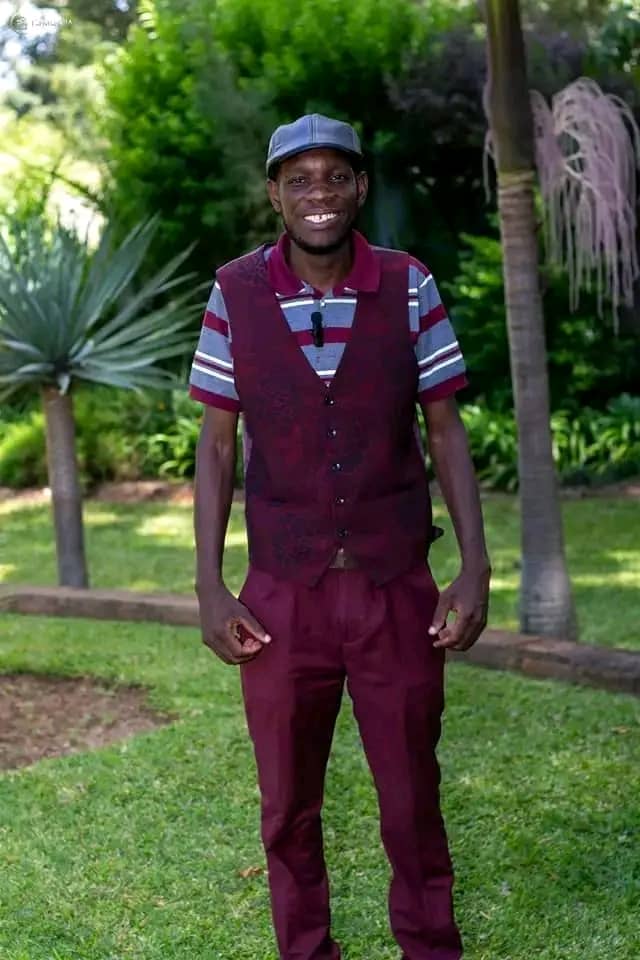
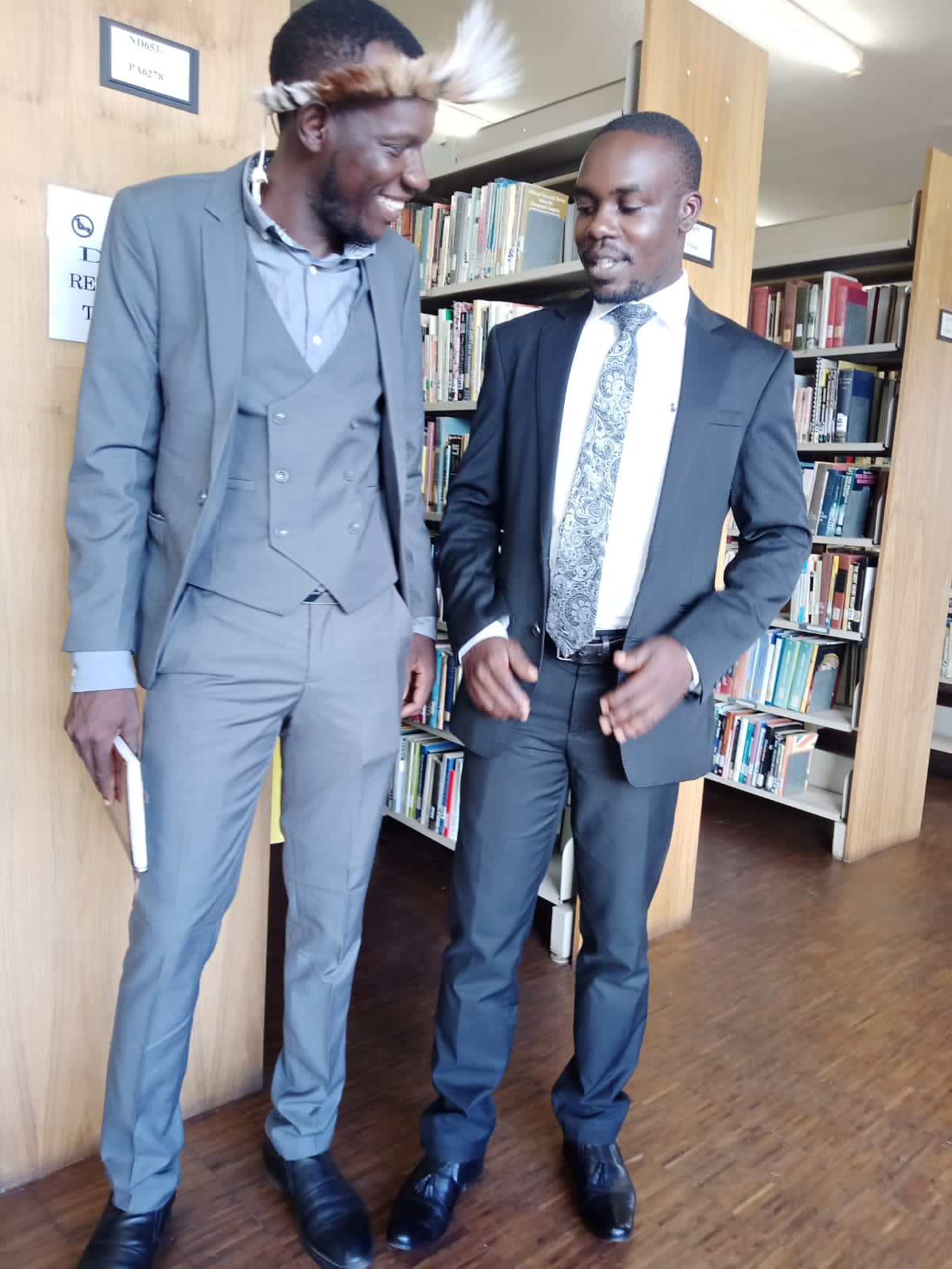
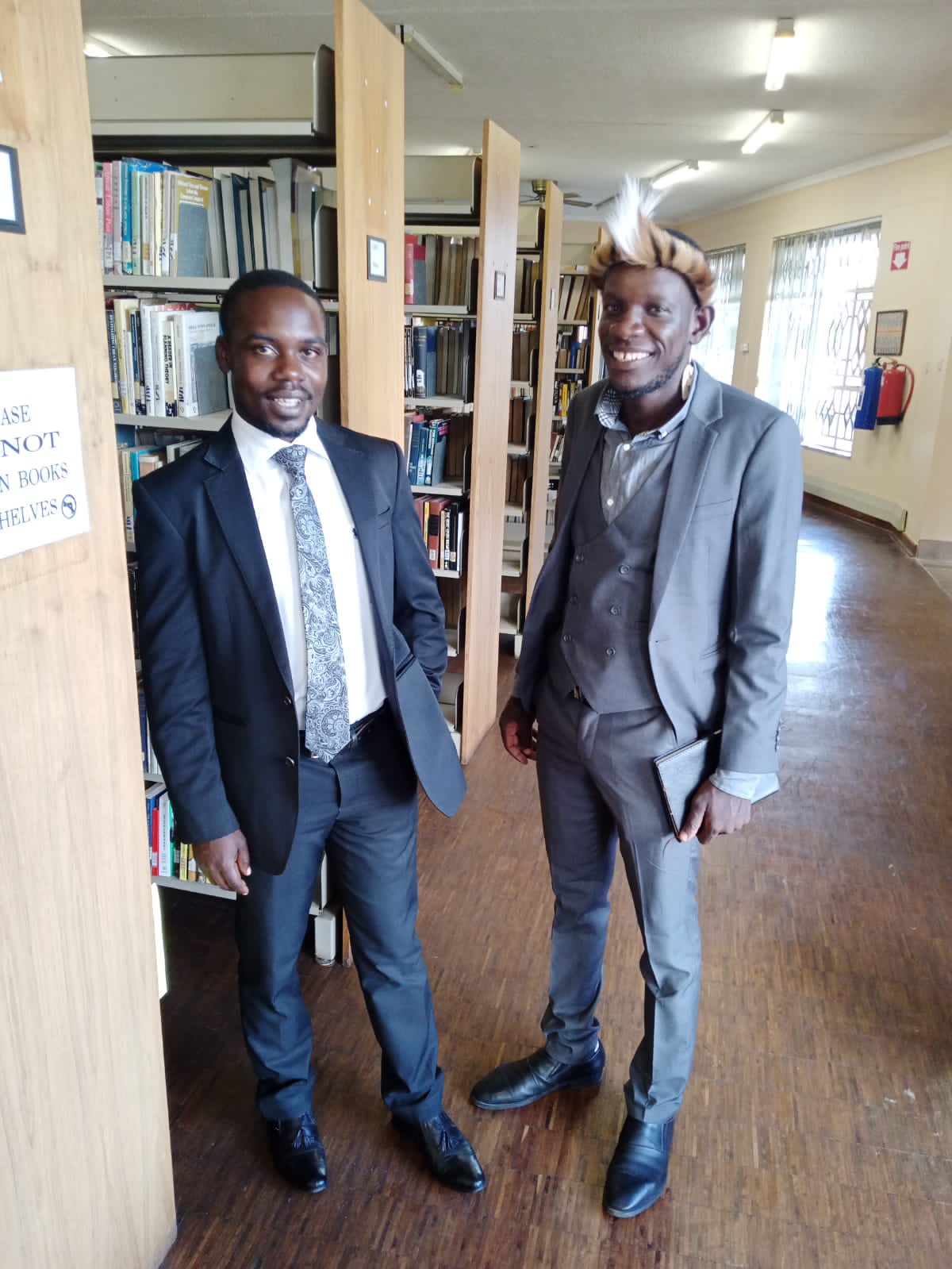
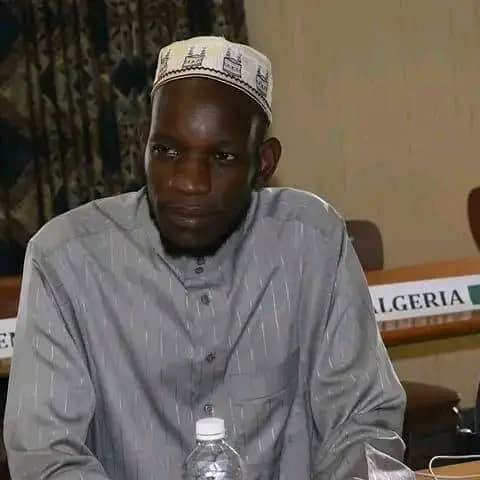
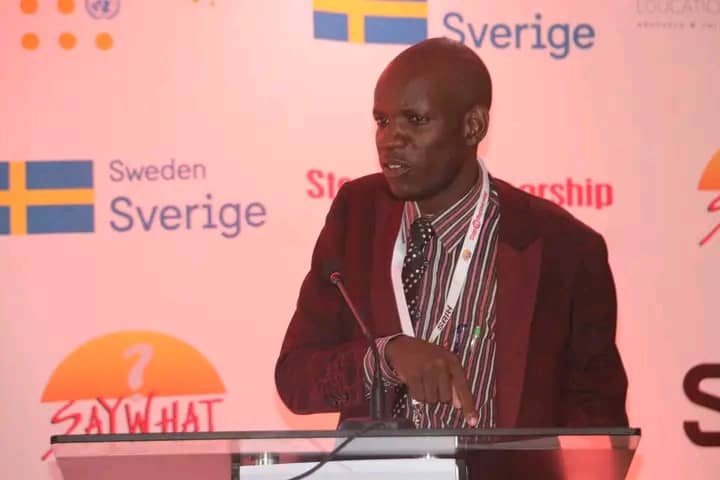
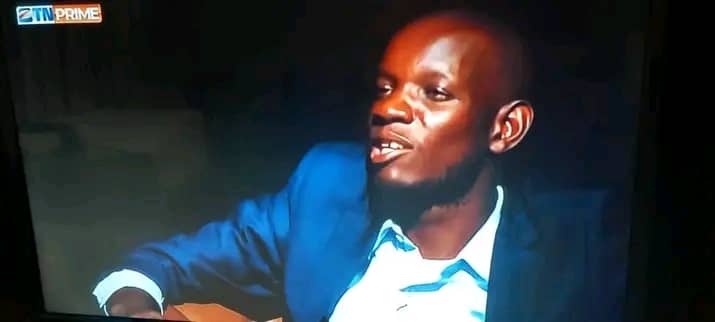
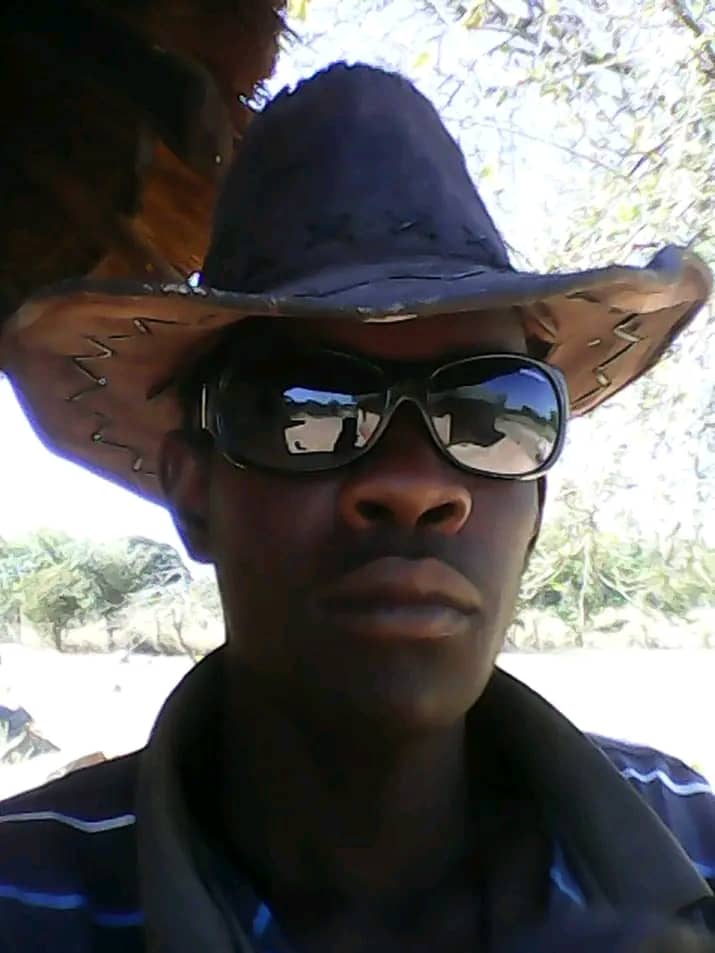
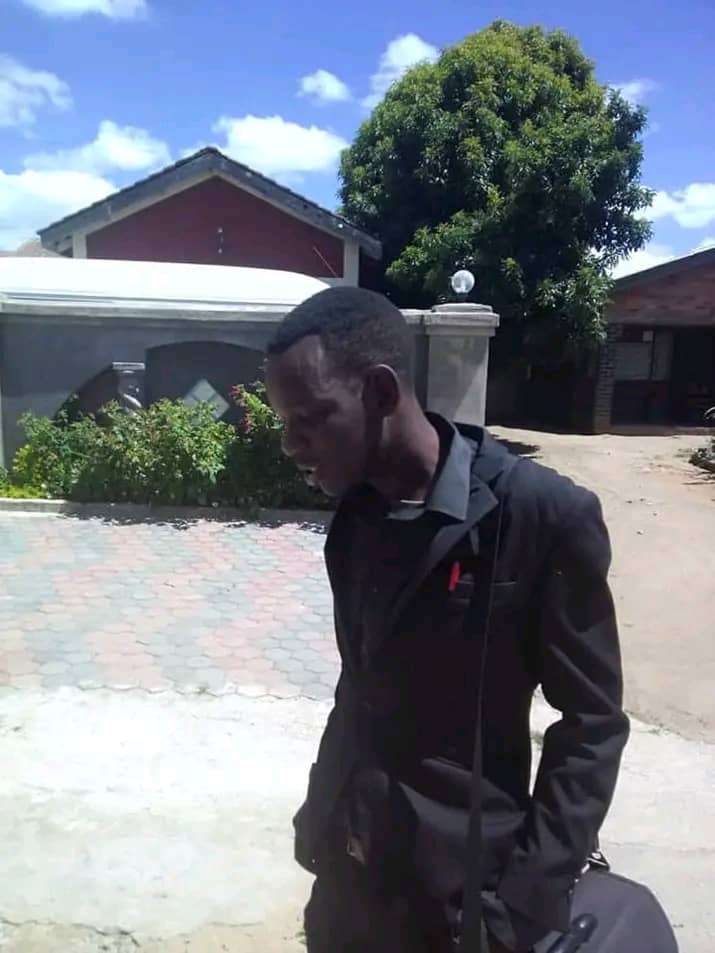
Image Credit: Tauya Chinama.
Keywords: African freethought, alien religions in Africa, bilingualism and polyglotism, colonial education systems, critical thinking in Zimbabwe, cultural identity, Humanists Zimbabwe, internet and communication barriers, moment of silence recommendation, 2015/16 enlightenment.
*Please see the footnotes and bibliography after the article.*
Tauya Chinama on Zimbabwe and African Freethought
Scott Douglas Jacobsen: When you think of African freethought, what distinguishes it from the general idea of freethought?
Tauya Chinama: In the past it used to be different and unique but the problem that made by African people was to embrace alien faiths at the expense of local culture, when Christianity, Islam, and other religions came to Africa, destroyed the cultural fibre found here in Africa, so they could replace it with a different worldview in tandem with alien religions. For an African to appreciate being a freethinker, we need a “Sankofa moment,” where we revisit the past and look at the valuable values. What can we learn from those values to have a foundation from which to start? Without that foundation, we are persons without identity. It would help if you had an identity before starting the freethinking process.
Jacobsen: Many other contexts that people are accidentally born into have a lot more luck in terms of the resources available. I’m speaking of something as basic as having institutions for critical thinking, skepticism, etc. How do you develop that identity, typically, when the resources available based on the accident of birth are less available to you? Whether you’re getting your training in Zambia as a priest or you’re living in Zimbabwe, there are institutions in place for science, philosophy, logical thinking, and so on. Yet, there are, typically, more robust sets of institutions in other countries. I was born in Canada, so that was an accident of birth. I’m lucky. There’s a longer history of established humanist institutions to develop that character of Canadian freethought when those institutions aren’t necessarily as well developed.
Chinama: When I was growing up in the Zimbabwean educational institutions, they insisted on brainwashing and pacifying us. We opened assembly points with the Lord’s Prayer and and we used used go on assembly points arranged in a military like format while singing. However, the problem with our educational institutions can allow free thinking but there’s no positive incentive to be a freethinker because the colonial masters, designed the education system to create docile citizens. When the country became independent, the new government saw it as beneficial to keep the citizens docile, so they continued the project.
When I was in formation to be a catholic priest, I entered a different education system all together, thanks to the Catholic Church and Divine Word Missionaries, which helped me to challenge and reflect on my education. These are two different education systems, and I wondered why they should be different. Being in contact with philosophy helped me because I read the ideas of several philosophers. Some philosophers who influenced my thinking include Fredrick Wilhelm Nietzsche, Baruch Spinoza, Jean Paul Satre, John Stuart Mill and Martin Heidegger. They forced me to think logically and critically. But many people face the challenge that by the time they reach tertiary education, they have already been made not to think critically. Luckily for me, I took it seriously. I decided to go in the direction where my thinking took me. Slowly, I became a freethinker because I started to question things that were said to be unquestionable. The problem is that we are told some things are not supposed to be questioned. So, we are allowed to question certain things and not others. It’s a problem of institutions.
Jacobsen: When talking about African freethought, we’re not talking about ethnicity or things of this nature. We’re talking about a particular country or culture someone either has a heritage in or happened to be born in and developing that style within that cultural context. Similarly, you can universalize that principle. In my case, the character of Canadian freethought. There are certain gaps within Canadian culture where you need help finding certain critical thought areas, which can lead to gaps where you have to fill those in for your identity and development. It’s the same application principle but in a different context. But it’s a striving towards that aim of critical thought in many spheres of life you encounter, whether it’s pseudoscience, superstitions, religious orthodoxy, or the like. Canadian freethought certainly has been characterized by the Christian religion, by the control of many institutions, by religious schools. There is still a dual educational system in many contexts, with a public and a Catholic education system. So they must duplicate administration, buildings, land, teachers, et cetera, to accommodate the Catholic population. The population has declined significantly. So, the character of Canadian freethought, for example, has a certain cultural context in which it develops. So, how would you distinguish Zimbabwean from general African freethought? You’re noting that it was useful to have a docile, and within a colonial context. It’s useful in a post-colonial context, but in a different way and to a different leadership.
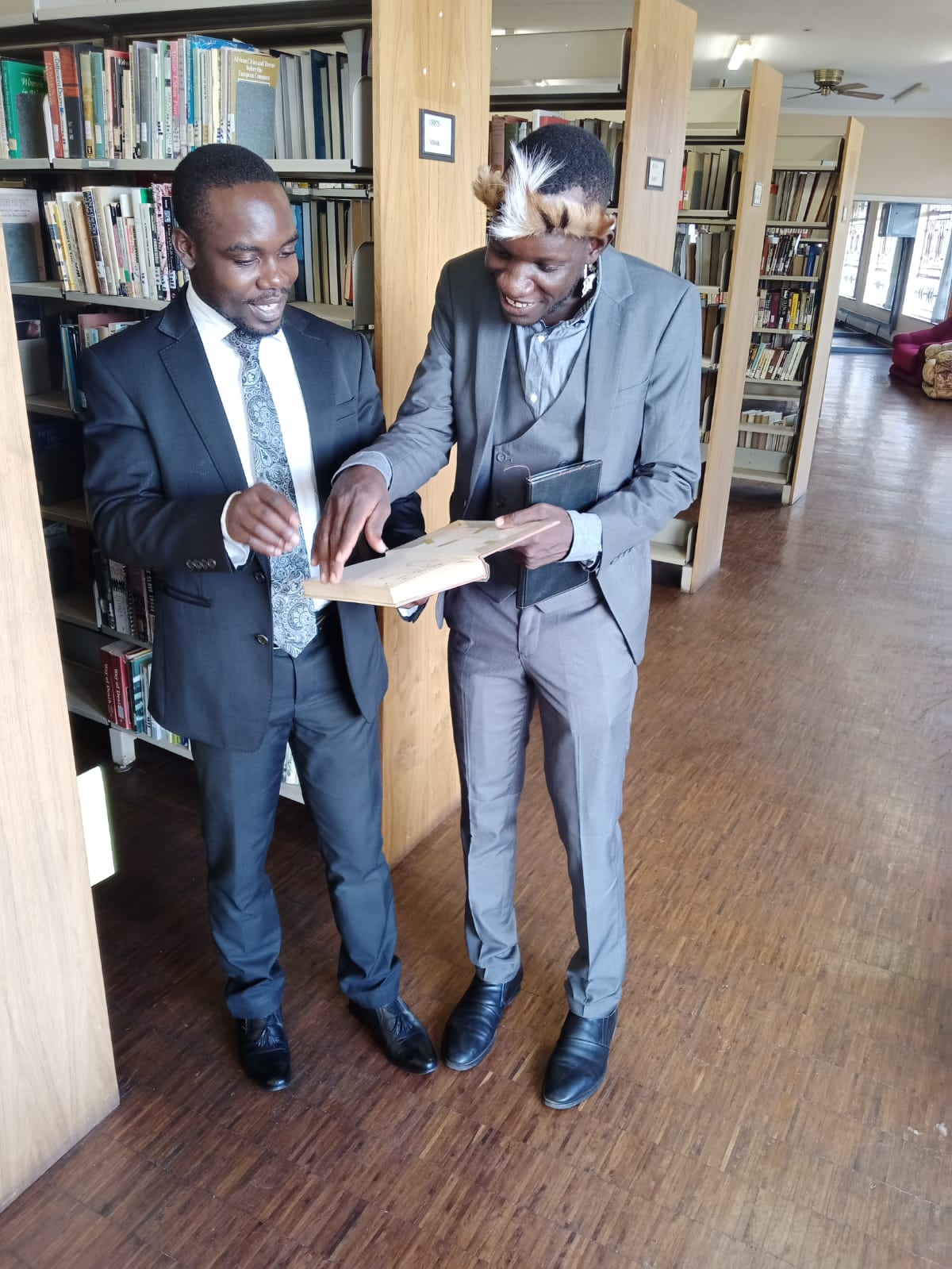
Chinama: It’s very, very difficult sometimes to differentiate Zimbabwe from other African countries. Many scholars have brought about Zimbabwe and Africa in general as one and the same thing. They’ve been trying to say Africa is a homogeneous land when it comes to culture and everything, which is not true, and that has been working to stifle critical thinking because certain values have been instilled, saying you should not question. “This is African, this is African, this is African…”
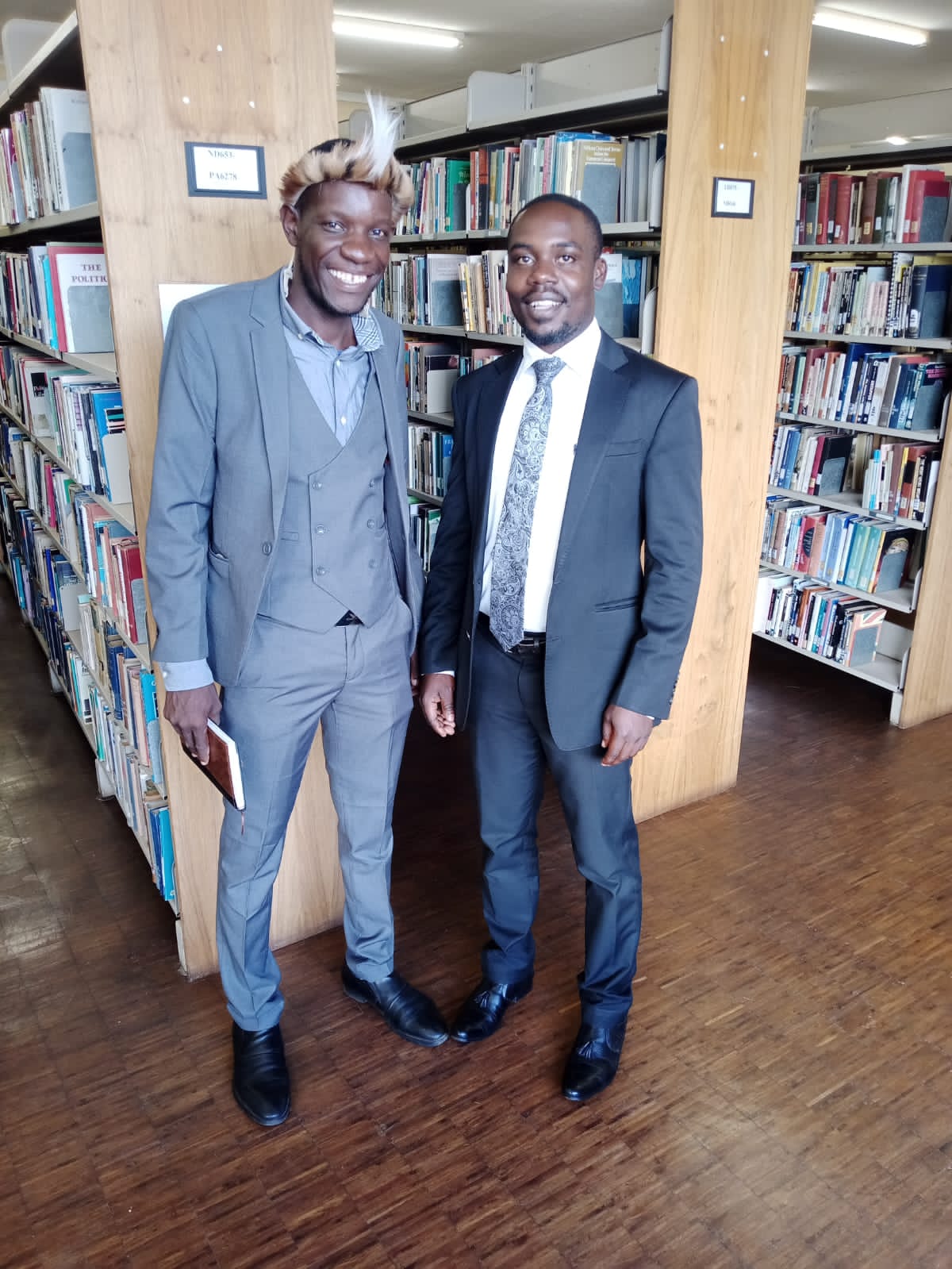
For example, we take the issue of LGBT, It’s easier for one person to say to accept LGBT is unAfrican. It’s not true that it’s unAfrican, but it’s because some institutions/people have somehow forced us to think in groups, not individually. Yes, in Africa, we value community before the individual. But an individual is part of the community itself. The individual has to do their part. You asked me how do you differentiate Zimbabwe from other countries. Yes, Zimbabwe is a unique place. It does have its own culture is slightly different from that of neighbouring countries, even Zimbabwe is a diverse country. We have 15 languages, though there are fewer than neighbouring countries like Zambia, which has over 70 languages. So for Zimbabwe, having 15 languages, sometimes it’s an advantage, other times a disadvantage, because it forces us, to use an alien language to communicate with each other instead of a national language, which can probably help us understand certain concepts. For example, the most important thing is to understand the language. English is not our first language, but it is the language of instruction in our schools, and everywhere we go, which sometimes limits studying local phenomena. For example, I see people in Germany studying using their language, people in China do the same, and people in Japan do the same. That alone helps people to be innovative and creative. So, for Zimbabwe, when we are using English to study something cultural, English might be limited somehow because it might still need to have a concept of that particular thing. For example, the staple food in Zimbabwe is Sadza. And there is no English term for Sadza. Sometimes, when you try to translate such concepts into the thinking process, you find it difficult and lose a certain value.
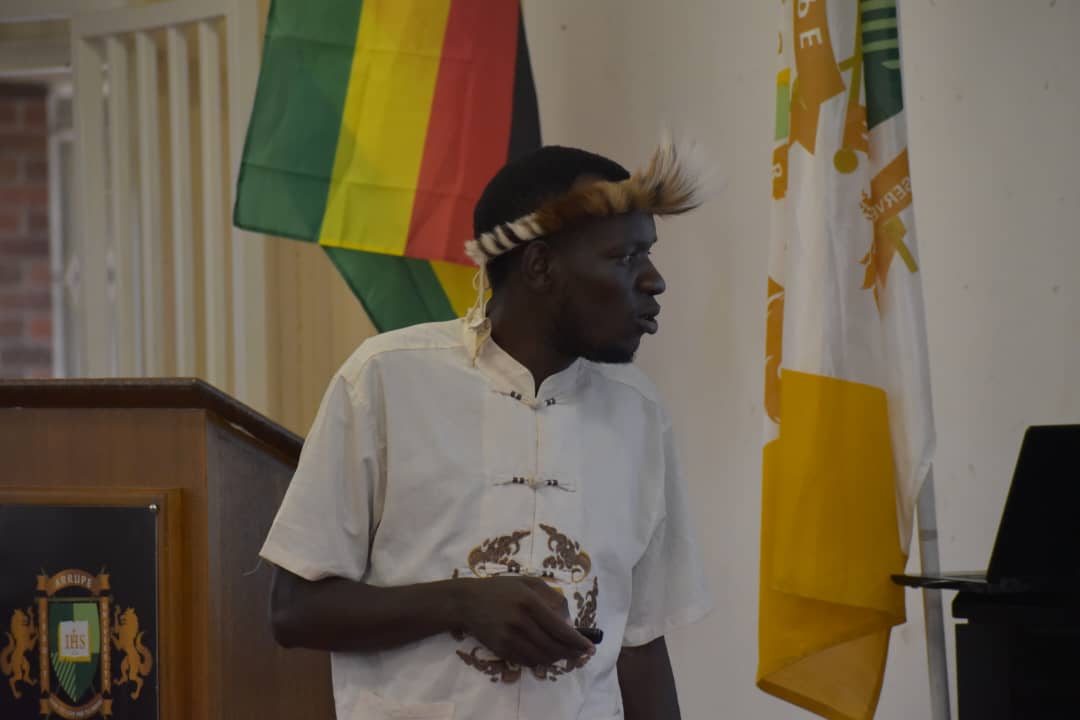
It is the staple food for Zimbabwe, Zambia, Botswana, and South Africa. It changes names depending with the place . If you are in Zambia, you call it sometimes Nsima. It doesn’t have an English term for it. It’s like a thick porridge. Yes, that’s the challenge of African thought, African freethinking. You have to borrow words that might not match the concept you are investigating.
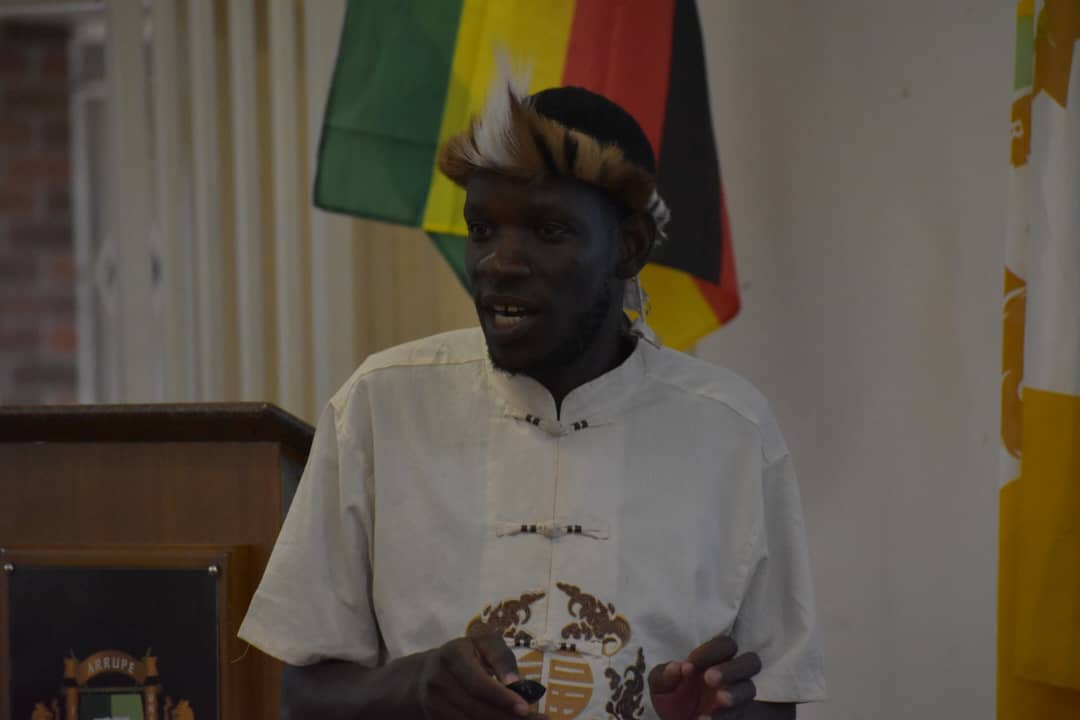
Jacobsen: So, do you think this certain need for bilingualism or polyglotism to not only understand the original concept but to convey it and think critically about it is a limitation to the expansion of critical self-reflection within the country?
Chinama: Yes, this is a limitation because the problem with certain African cultures and languages is that they don’t evolve as fast as possible; they slowly evolve. So, they find it difficult to assimilate a word from another language. If the word is taken from another language and is indigenized, yes, it has to change meaning, but it takes time to indigenize. You spend more time trying to find an appropriate name, Shona name or a developed name for a particular gadget, a particular concept.
For example, when the phones came, we had to look for a special name for a mobile phone and call it nharembozha. Sometimes, it complicates things instead of absorbing them as a phone. Then, you change the meaning according to your own culture. pushes . If it is difficult to understand a particular phenomenon in the first place, can we think freely, be innovative, and be creative about a phenomenon that is not comprehensible to us? Definitely not.
Jacobsen: Do you think communications technologies and the internet help break down linguistic and concept barriers?
Chinama: Yes, but the problem is that communication technology has yet to accept Shona and Ndebele, the main languages in Zimbabwe. Normally, when I try to do a translation, the translation could be better because I know both languages. I know both Shona, Ndebele, and English. So when you put a text, try to translate it to Shona or Ndebele using Google the translation could be better, but it becomes meaningless. So we still need people training these machines (AI) to make a proper translation. Artificial intelligence will help us if it does not worsen the situation because it is imperfect. It needs to be perfected, and it is the creation of the human person.
Jacobsen: I am often struck in interviewing a lot of international freethinkers with the level of sophistication in sort of bilingualism or polyglotism, the ability of so many people to break through not only the cultural barriers inside their country, the ability to rise above the parochialism, the religious fundamentalism, the state, to find a voice for themselves, as well as the ability to sort of absorb multiple languages to be able to convey this. I was lucky enough to grow up in a context where that barrier wasn’t a major issue in terms of language. For the most part, in the west side of Canada, if you speak English, you will be fine in most contexts, especially when dealing with public services, for instance. So, what you describe is pervasive in many African countries and worldwide, I suspect a lot of it has to do with the fact that English is a very big second language for many people, the language they use in their professional lives if they don’t use it in their family or personal lives.
Jacobsen: When do you think freethought started to gain hold in Zimbabwe? What point do you think?
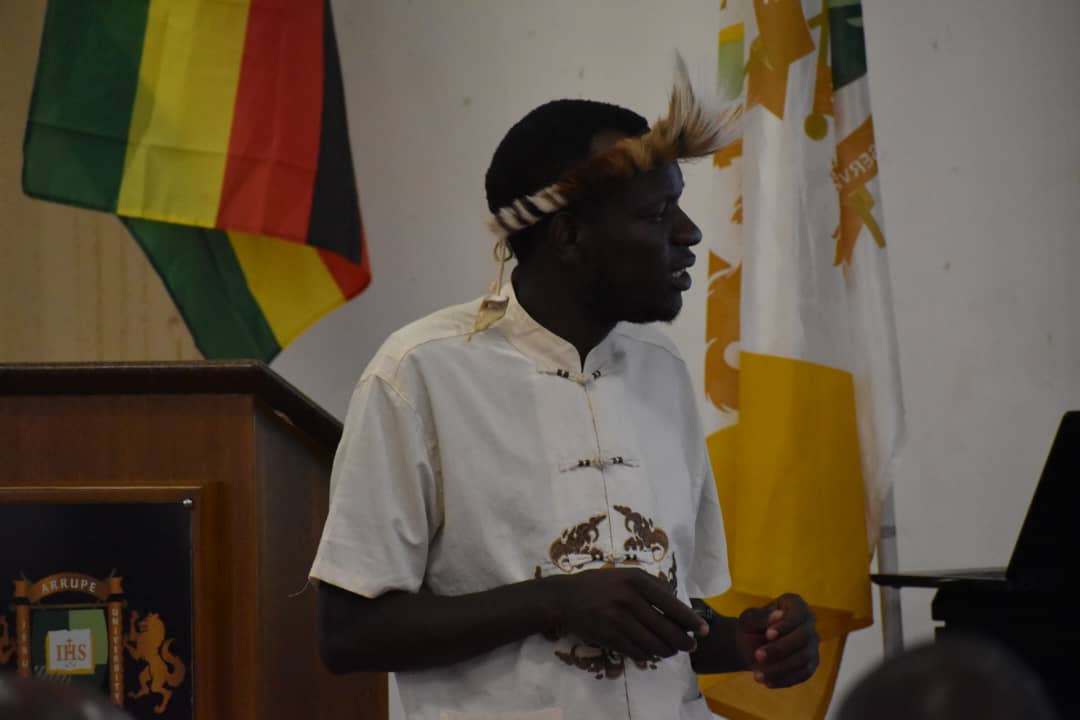
Chinama: I’m sure it’s always been there, but the environment was probably not promoting it. But recently, the year 2015/16 in Zimbabwe was a year of renaissance. It was a year of enlightenment. There was a surge of many movements in 2016, whether politically, socially, economically, or culturally. That is when we discovered that several humanists and freethinkers were vocal about citizens knowing about their rights and how they rise, and many protests happened in 2016. That year was the re-enlightenment, the year of renaissance, and the year of consciousness. The same very year, the government of Zimbabwe implemented what they call a new curriculum, which helped introduce new subjects such as Heritage studies, family and religious studies, which are not merely learning about a particular religion or particular culture, which encouraged critical thinking. 2015 and 2016 were crucial years for Zimbabwe, and they promoted critical thinking. They were golden years, and I wish we had a repeat of those years in Zimbabwe. It will take us far, and that is when we shake off the level of thinking that being fluent in English is the mark of intelligence. Yes, I do understand that English is an international language. It has to be spoken throughout for the sake of communication. But the problem here in Zimbabwe is that we get to a point where we used to think that using the local language is a sign of naivety, a sign that someone is not intelligent. If a person can speak fluent English, they are intelligent and even if they are saying nothing but saying those things in English, we think he’s intelligent. But nowadays, it changed a bit though some schools force students and encouraged to speak in English.
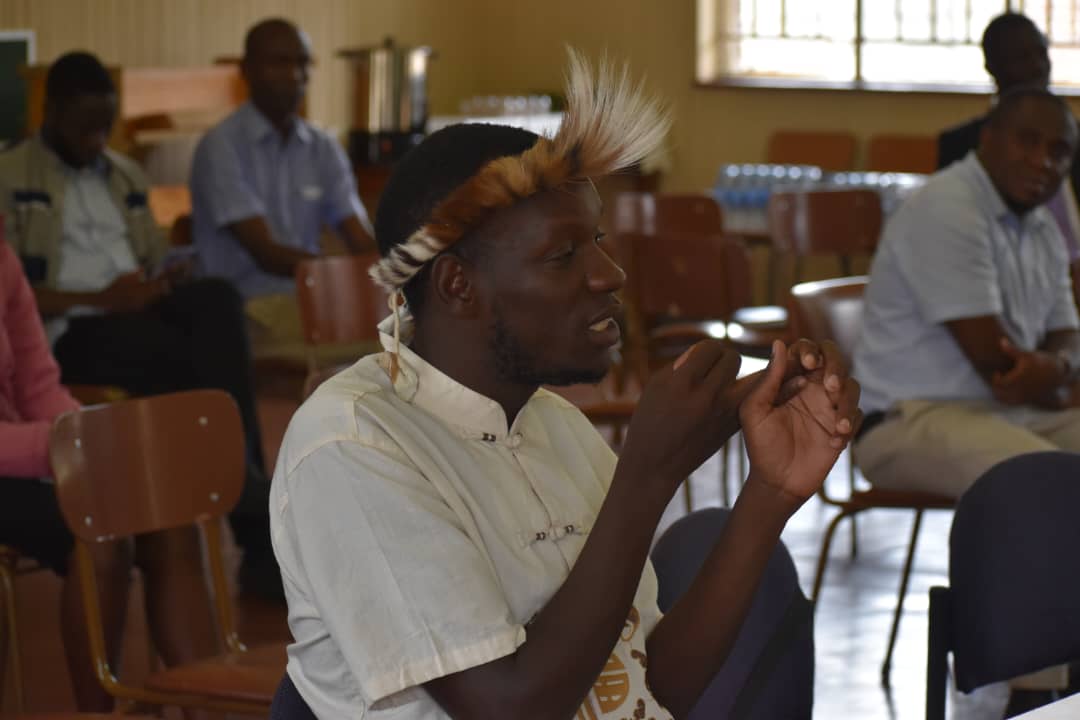
Jacobsen: There’s a Scottish comedian, Billy Connolly. He made a good point about a good comedian. You have to know where you come from first before launching your rockets, so to speak, of good jokes. That’s true in many contexts where if you don’t know the context in which you grew up or the larger culture you developed, you don’t have roots from which to nourish a point of view for critical examination. Some contexts are less fair than others, but the universe is unfair. That’s the way it goes. So, how do you think that barrier to knowing your roots and critically assessing the culture in which you happen to be born can be made more rapid? How could this be done through the education system? How could this be done through the family? How could humanists going for any prominence locally go to debate, enter politics, and community service to set an example?
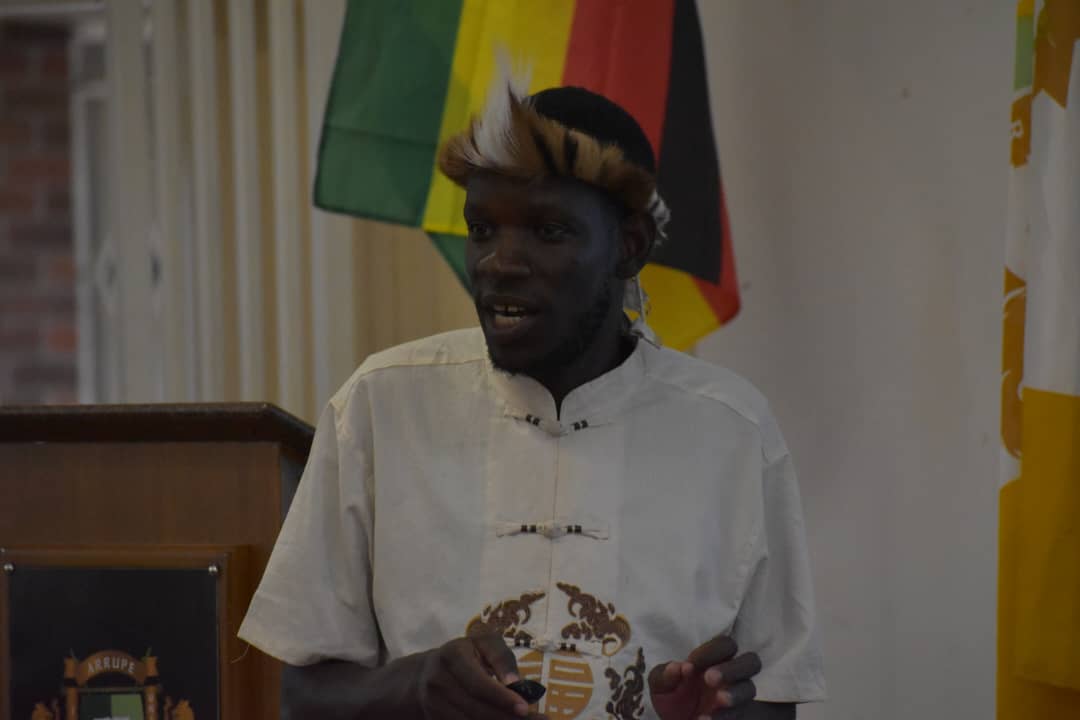
Chinama: Yes, the best way to go around this is to give people the experience in urban and rural areas. When you’re in Zimbabwe, for example, I normally call myself a rural boy because I grew up in a rural area. After studying for Primary and Secondary Education, I moved to urban areas. In rural areas, where the African-ness is, you can get the African-ness. You learn all African values in rural areas, but you may not acquire critical thinking skills, still it’s very important to learn that culture first. Then, you become critical about it later on when you understand it.
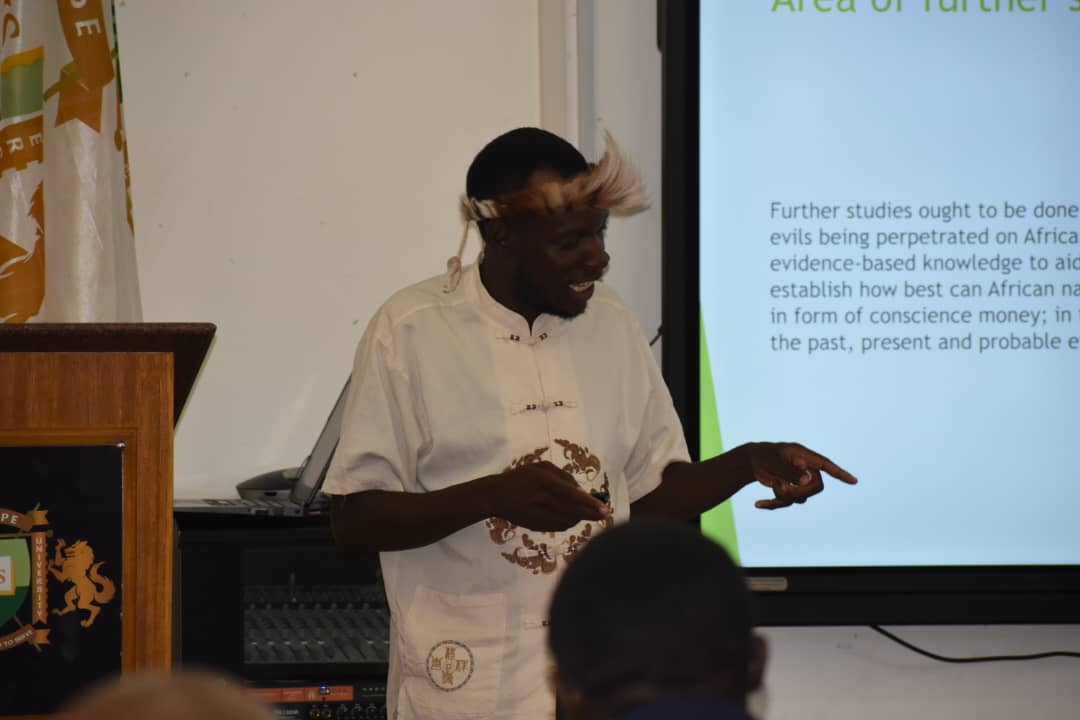
So when you go to an urban area, you’re in the national sphere. You’re in the global world because you can easily interact with people from other countries and different setups. So, if a child is born and bred in an urban area, that child is not fully Zimbabwean. If a child is born and bred in rural areas only, that child is not fully Zimbabwean in another sense, not in the issue of citizenship, but in terms of understanding what an African is and what a Zimbabwean is. We need to have both urban and rural experiences. I’m not saying people from urban areas are less Zimbabwean or people from rural areas are less. I’m taking this from an intellectual point of view, an understanding of the local and global cultures. You need to have that experience, and you sometimes need to be among people of a particular language and a particular tribe.
For example, I once stayed with people from Matabeleland. I’m not Ndebele, but I learned about their life. I stayed with them, so now I have gained an appreciation for the diversity in Zimbabwe and how we can harness that diversity to strengthen and create a complete human being. You need to understand this. It is my motto always study to understand, not to judge. So, wherever you are studying, try to understand before judging. Because if you rush into judgment, you have no time to comprehend whatever you are studying. So, I approach every phenomenon phenomenologically. I put myself in the shoes of the people I’m studying.
I do what we call theoretical suspension. I suspend whatever I know or read about a particular tribe, a particular people and try to look at the world from their own eyes, which is a thing which I normally even clash with my fellow freethinkers and humanists here in Zimbabwe. They say, Tauya, you are a closet religious. Because, why? They call me a closet religious because sometimes, when I’m talking to my fellow humanists, I will try to show them the value religion might have. Some people cannot be moral if they are not threatened with hell. Do you understand that? People are still growing. If you take away religion from them, they can be evil and kill people like no man’s business, but they want something which stops them from doing evil because they don’t know it is good to be good. So sometimes, when I try to show the value of religion to my fellow freethinkers, they say, “No, you are a closet religious. You are not a full humanist.”
When I’m with the religious, they say, “You are an atheist.” So you find that in the life of a freethinker, you don’t have anyone who supports you. I’m not saying my fellow freethinkers are less freethinking than me. However, my approach to studying the phenomenon of being phenomenological is that when I study religion, I bracket what I know about religion and try to see what religion means to that person. Then, when I study my fellow freethinkers, I bracket what I know and look at what they say. Because sometimes I would find some people who are angry with religion. So, they fail to transcend to go beyond atheism and theism, a position which I normally say myself; I say, “If you go beyond atheism and theism, you’ll become an apatheist.” Yes, many people can argue with me but the goodness of being freethinkers can be very scientifically based, and we share knowledge, so it’s important.
Jacobsen: Those are all very good points because there is a tendency among anyone at any time in their life, even among humanists, freethinkers, and others, to have a style of epistemological correctness or accuracy tied to a personality tendency of arrogance. This has the opposite of the intended effect when conversing with people who may disagree with you in a debate because people aren’t strictly computers. We have computational capacities; however, you have to engage people as people.
I’m sure you’ve had your moments in your life. I have had my moments in my life. I’ve seen it in other people, as with anyone, where you have a certain emotional drive of correctness when, in fact, the evidence is there to support the claim. Yet there’s still not an absoluteness to that evidence. So, there must be more openness to that little area where it could be more certain. In addition, everyone gets tired, hungry, grumpy, and can be an asshole, to use a North American colloquialism. So, these are valid points for remaining vulnerable and emotionally open-minded while engaging in the intellectualism many humanists pride themselves on. It’s a weird way of saying to apply diplomatic language to rigorous thought.
And that’s a crucial point. It can be mistaken for agreeing with religion or with some religious dogma. It’s more to stipulate that, to quote, or to paraphrase the former Prime Minister of Singapore, Lee Hsien Loong, where the next Humanists International General Assembly will be, no culture has a monopoly on truth or goodness of values. He said something to that effect. That’s true. Your approach is sophisticated and appropriate, especially in such a globalized world.
Chinama: Yes, another issue is, after all, prudence. When we are engaging in freethought, we should be prudent. Know what to say, where, and how to say it. There is no reason to be confrontational if we aim to help our fellow brothers and sisters to be freethinkers or understand our point. Let us employ diplomatic language as you say. If you package your message well, people will say, “Yes, you’re making sense.” Normally, I don’t engage in public speaking, but I intend to do public lectures and other things. When I meet people in small groups or individually and explain freethinking to them, and in the area where I stay, I stay in an area called Sunningadale, there are some few people who have independently now said, if you don’t want to agree with what Tauya says, don’t give him an ear, Because if you listen to him at the end of the conversation, you might feel like he’s making sense. Religious people don’t want to lose their religion. If you sit down with them, you can probably interrogate them. You let them answer the question. Use Socratic methods.
For example, you can say, “ let me ask you one thing. Who created Satan in your vision of religion?”Then they say, “God.” You say, “So who created our problems?”You don’t answer for the person. You let the person answer. If you see the person struggling to answer, you say, “Don’t answer the question. Keep the question to yourself.” Then you help a person to reflect even when you are done with the conversation, and suspect the guy was making sense. You let the person think, put principles and questions for reflection, and the process will continue. I am against statements to say, “Your God is petty and small-minded.” as the likes of Richard Dawkins say. Let the person realize that the idea needs to be made clearer.
Jacobsen: When you hear other humanists from other countries or regions of the world talk about Zimbabwe, freethinking, and humanism in Zimbabwe, what do you notice are stereotypes, and what do you think are benign misunderstandings?
Chinama: Normally, I have yet to contact other humanists from other countries who would discuss Zimbabwean humanism. Zimbabwean humanism is less popular. But as time passes, we will make it popular. Currently, I am Humanists Zimbabwe chairperson/president. We plan to do a get together soon. If we normalize meetings as humanists, people will start to talk a lot about humanists. But humanists from Zimbabwe can suffer the same fate, which every Zimbabwean suffers. Whether you are a humanist or not, people think we are probably incapable of thinking, and people think we are naïve. Do you remember when African philosophy was first started? People like Hegel the German philosopher would say Africans are innocent of reason, etc. So, we are in everything that is Zimbabwe. We are yet to be very, very popular on the international stage. But trust me, we are going there.
Jacobsen: What do you think are stereotypes many Zimbabweans have about themselves? Negative beliefs that hinder emancipation from the societal training, as you mentioned earlier, to being docile.
Chinama: Some people are always waiting for a messiah, the messiah syndrome. They think that always someone needs to save them. Our education system was designed to create followers, not leaders. It was created to create employees, not employers. So, we need help to become autonomous. We find it difficult to be masters of our destiny. We always look forward to, say, letting someone lead us. Let someone lead, and we follow. However, with this generation introduced to the new curriculum in 2015, it is likely to boom in the next ten years.
As I said, we plan to do public lectures and engagements to popularize the art of freethinking, not eliminate religion. If a religion is not harmful to a person, let the person follow it. But let the person be rational enough to know that they are being abused when they are being abused and know they are being conned when they are being conned. People are being conned with the promise of a miracle. You should listen and discern for yourself that this doesn’t make sense. I don’t have to invest my money here. I don’t have to do this; I don’t have to do that.
We want a tolerant feeling in Zimbabwe where people can interact regardless of religious or non-religious affiliation. For example, demographically, in Zimbabwe, most people are Christian. And they find it easy to start public gatherings with Christian prayers, which is an act of religious intolerance where we have people of different religions. Some are traditionalists, and some are non-religious but are being forced to bow to one religion. A moment of silence instead of a prayer is better, I’ve published a peer reviewed book chapter and a peer-reviewed journal paper in which I recommended that we consider a moment of silence. Also, in my MPhil research project, again insisted on that recommendation. It’s high time I have to engage the responsible authority to consider it. Thank you.
Jacobsen: I’ve been reflecting a lot over the last year, approximately, maybe two years, and something. Certainly, I’ve, looking back, grown a lot. I’ve had to learn so much in talking to so many people around the world, especially in so many contexts. People use humanism, freethinking, and all of these other titles to orbit around certain values. I had to reflect on the conversations and the insights people gave me because there are many evolving contexts. I’m involved in many other projects that have nothing to do with humanism in many ways. I wrote for wedding magazine. I did sustainable and ethical fashion journalism. I was in a student union. There is lots of stuff that isn’t relevant to much humanist work. That is helpful when interacting with many other people in different cultures and contexts. That’s the most valuable thing you can do, allowing a space either in the question of the conversation or thinking about other people to grow, taking them where they’re at and then working with them there. Do you find yourself when you’re interacting with people who are sincere believers and maybe captured by a particular ideology, allowing room for them to grow, and yourself is a very helpful tool philosophically and personally?
Chinama: Yes, surely. Over the years, my evolution has been too fast. I mentioned earlier that I normally clash with both the non-religious people and the religious people. Why? Because my evolution has been too fast. It is probably because of my background. And the first time I doubted religion, I considered myself an agnostic. But with time, I became a bit militant atheist; I swear I hated everything about religion, especially Christianity. But I later realized that I was probably wrong when I met sincere religious people who would say, I do respect you. I do understand you, and they talk to you nicely. I said, “No, I should not be like this.” Then, I moved from being a militant atheist to an apatheist. So, as I’m speaking to you, I’m feeling like in the last few months, I’ve seen myself as being more than an apatheist. I’ve started in some circles to refer to myself as a sentientist, where I care not only about human beings but also about all nature, even animals. So, you see how the evolution is being fastened? I view it as progress from being an agnostic to atheism to apatheism.
Now, I’m going towards sentimentalism, but still, I remain a humanist. So, my evolution has needed to be faster. If there is any intellectual who has been that fast when it comes to mental evolution, I haven’t seen one. So, some people don’t need to understand that evolution because I engage a lot. So, being in contact with different things and different writings changes your mind, especially if you engage and read with an open mind. You evolve. I hope this is evolving for the better.
Last time, I was talking to a brother of mine here in Zimbabwe, who is a fellow humanist. We were talking about our sister, Ayaan Hirsi Ali. He didn’t understand Ali’s decision to move from humanism to Christianity. I had to explain to him, “Listen, my brother, that there is that void you feel. It is scary to be free. Imagine knowing that I will get no magic money if I don’t have money; there is no deity to help me. I have to work for it. That freedom is scary.” So sometimes people cannot handle that freedom. They can feel that emptiness. So, in the search to fill that void, you might find people moving slightly back. Because there is joy and happiness for some people when they feel their limitations, they don’t accept it as the end. They say there is something beyond me. But anyway, some of us have chosen to be the Übermensch who believes I am responsible for our lives. If I don’t have money, I don’t have money. If I don’t have food, I don’t have food. I have to look for food. I have to look for money. No magic money, no magic food. So that is scary.
Jacobsen: It’s scary for people when the knot is unwound, and raw experience runs through them without any magic, supernatural, or superstition. It’s scary. So they may react like Ali and others, which is understandable. At the same time, is the comfort of delusion truly comforting?
Chinama: That’s a question that many of us think about sometimes. Most people would prefer to hold onto the delusion because it provides comfort. She became a humanist, and now she has become a Christian. Trust me, according to my prediction, later on, I’m seeing her move from Christianity to Judaism. Mark my words, I’m not a prophet. Because of the way I was studying, I was trying to study her way of thinking. She’s going to see that there are non-believing Jews who value some religious values. I think she might move from being a Christian to Judaism. It might not happen, but I suspect it.
Jacobsen: Tauya, thank you very much for your time today.
Chinama: Thank you very much.
Bibliography
None
Footnotes
None
License
In-Sight Publishing by Scott Douglas Jacobsen is licensed under a Creative Commons Attribution-NonCommercial-NoDerivatives 4.0 International License.
Based on work at www.in-sightpublishing.com.
Copyright
© Scott Douglas Jacobsen and In-Sight Publishing 2012-Present. Unauthorized use and/or duplication of this material without express and written permission from this site’s author and/or owner is strictly prohibited. Excerpts and links may be used, provided that full and clear credit is given to Scott Douglas Jacobsen, or the author(s), and In-Sight Publishing with appropriate and specific direction to the original content. All interviewees and authors copyright their material, as well, and may disseminate for their independent purposes.


